
A wastewater treatment system that is out of spec isn’t just a maintenance problem; it is a compliance liability. Baldwin’s service team keeps your equipment performing up to standard, with on-site servicing, fault diagnosis, and technical support for Baldwin-supplied and third-party systems across Australia.
35+ years in business
ISO 9001 Quality Certified
Australia-wide distributor network
Scheduled Maintenance & Service Visits
Most state EPA and trade waste agreements require industrial wastewater systems to be maintained and perform to specifications. Our service visits cover the complete picture: a documented inspection with written records.
| What We Cover | Detail |
|---|---|
| System Inspection | All components, seals, pumps, and flow paths are checked for wear and correct operation |
| Performance Testing | Discharge quality verified against your EPA or trade waste agreement parameters |
| Chemical Top-Up | RM-10 chemistry and dosing system replenishment, where applicable |
| Mechanical Servicing | Worn parts adjusted, repaired, or replaced to prevent unplanned shutdowns |
| Compliance Records | Written service report provided for your EPA trade waste file |
| Operator Guidance | On-site advice on daily monitoring and maintenance intervals for your team |
We also service and maintain systems we did not supply.
If you are running equipment from another manufacturer and need maintenance, fault support, or parts, get in touch, and we will sort out the rest.
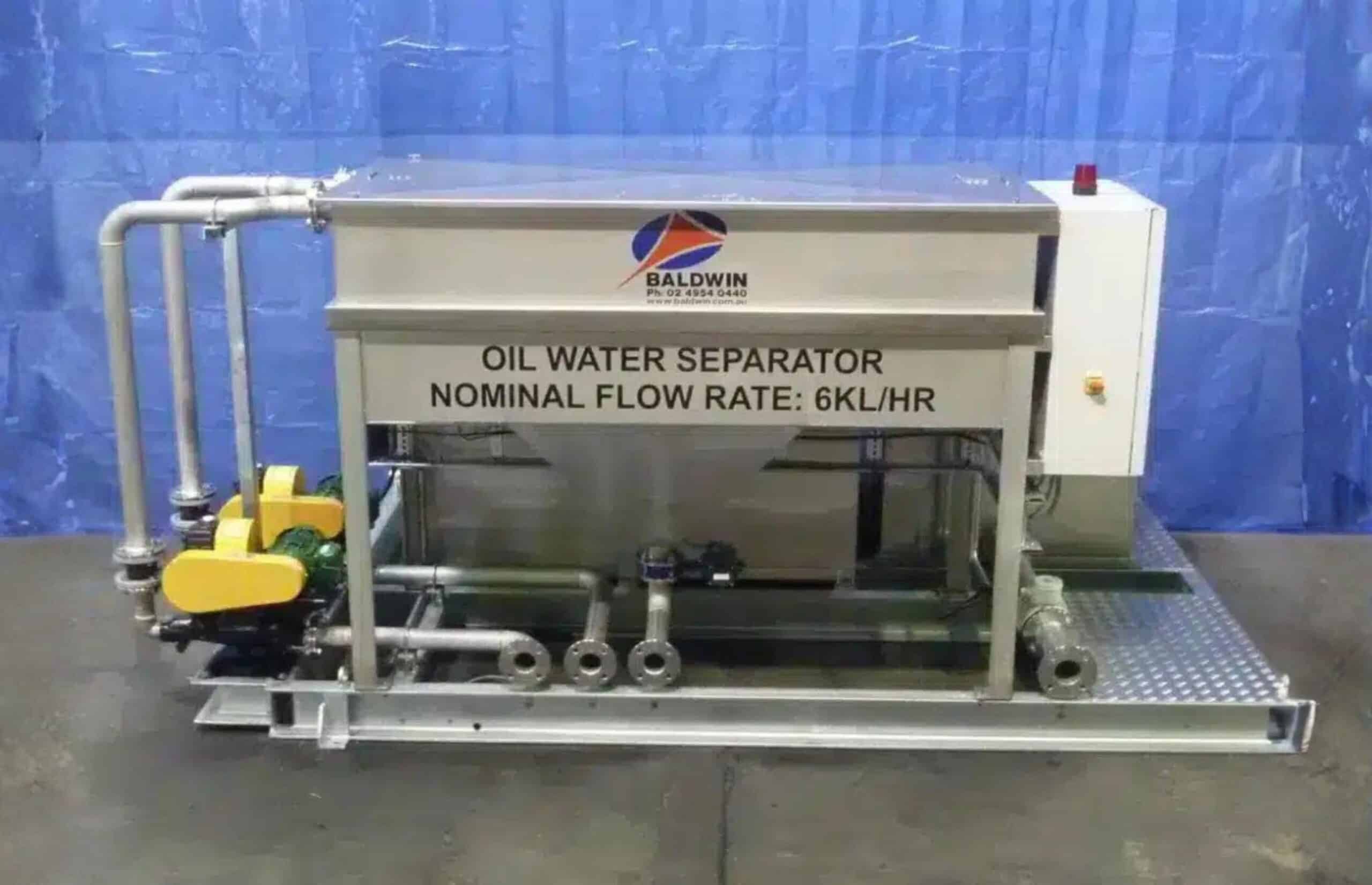
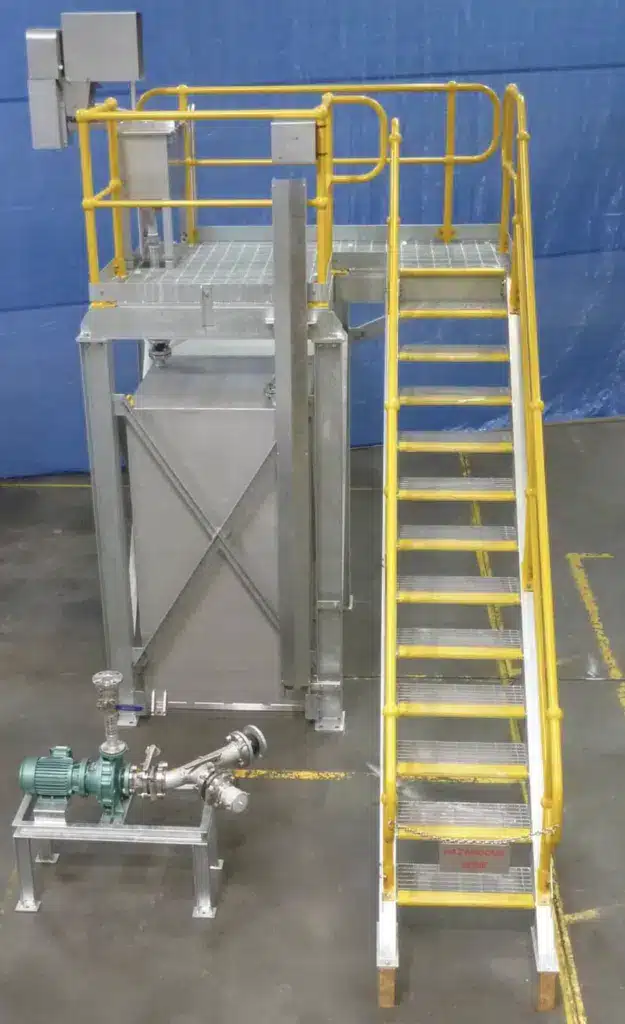
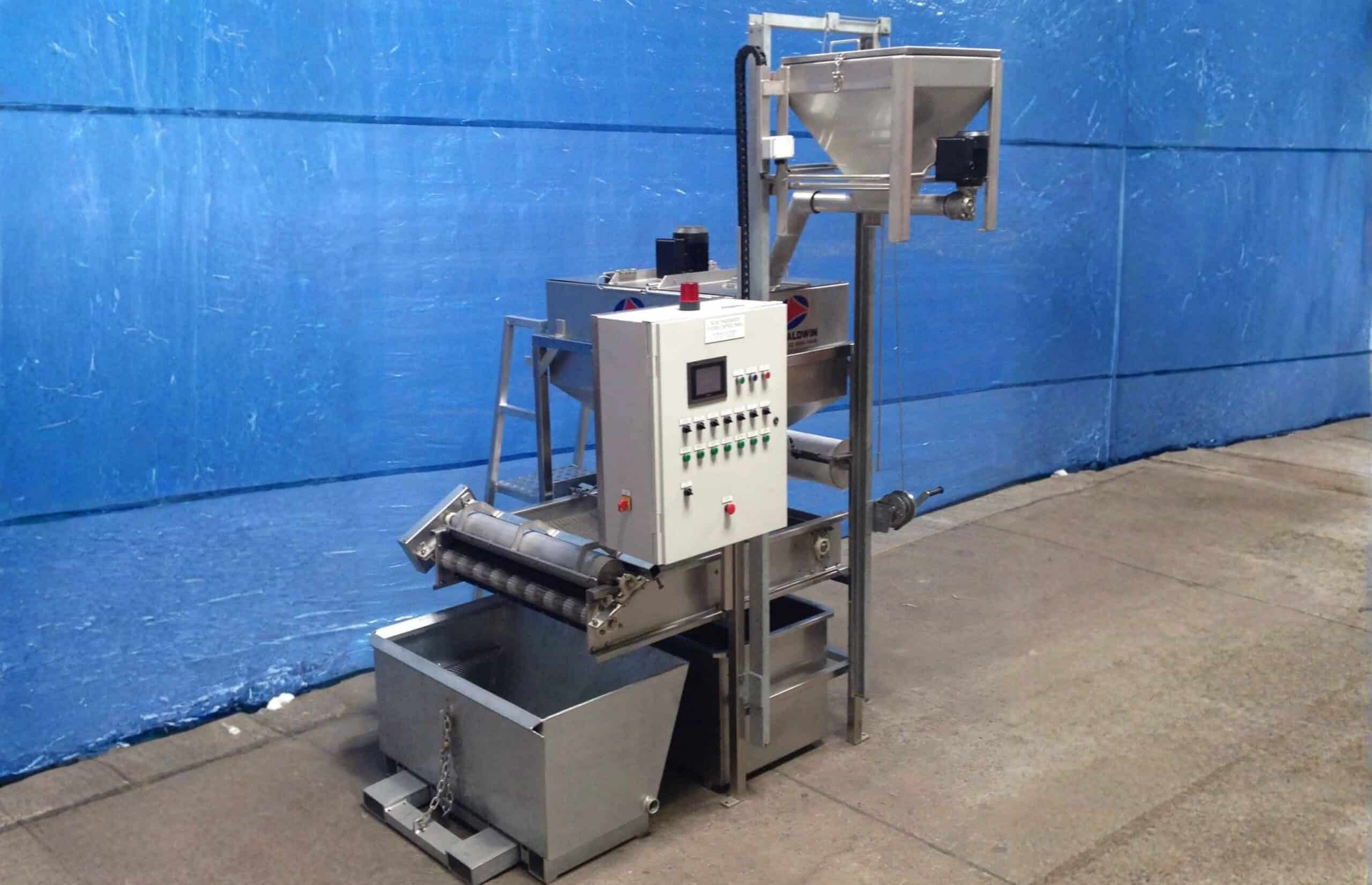
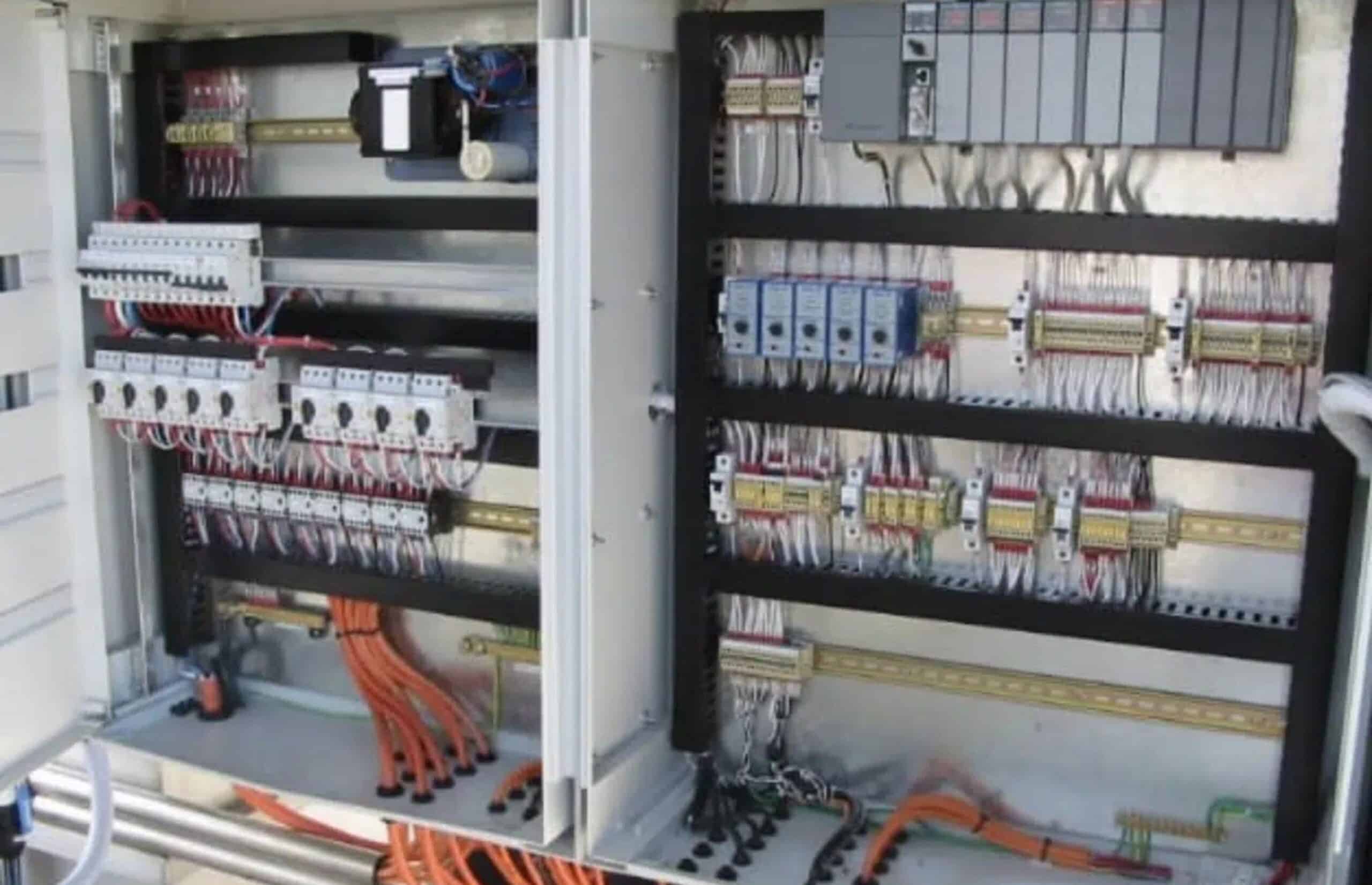
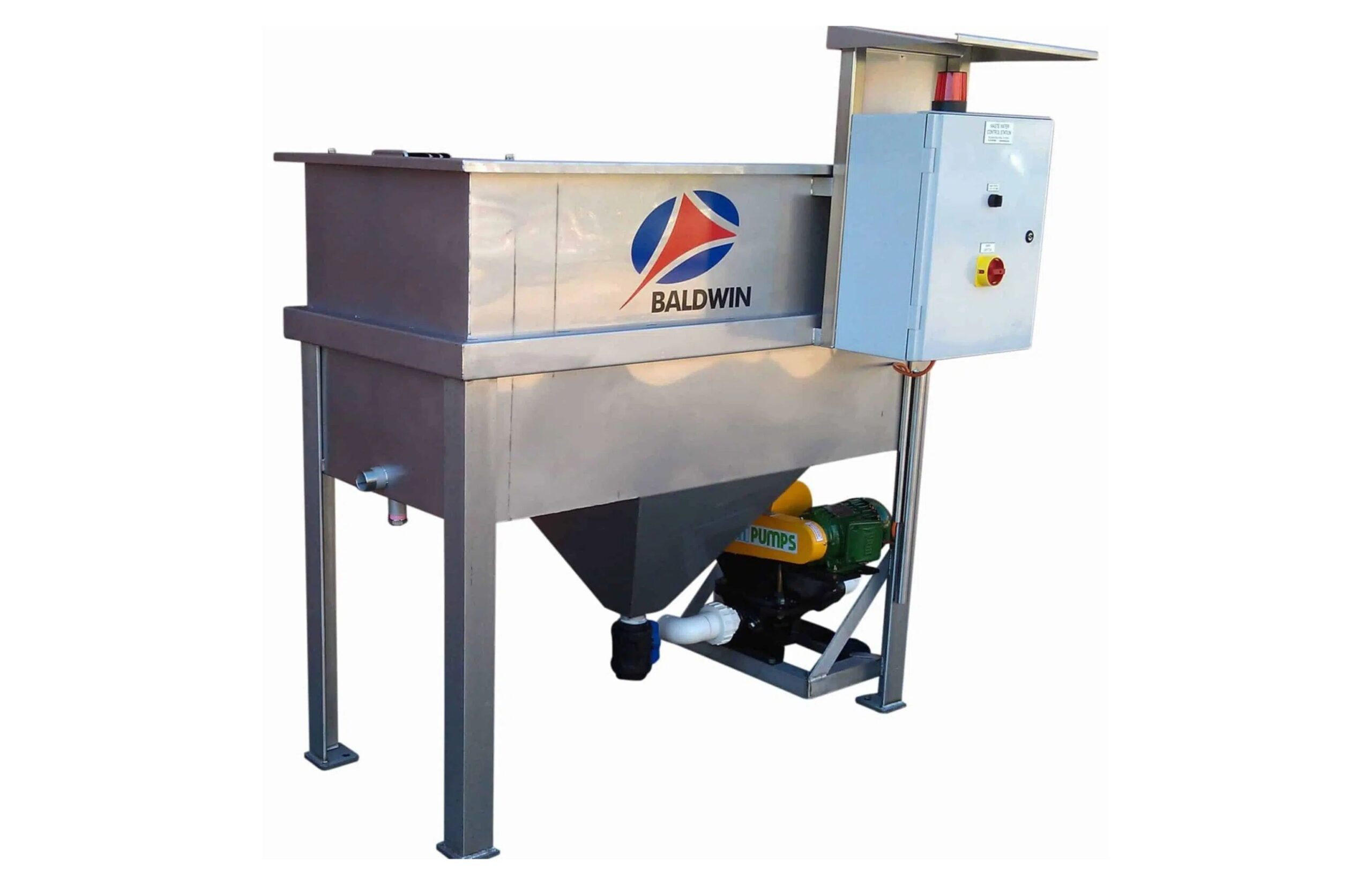
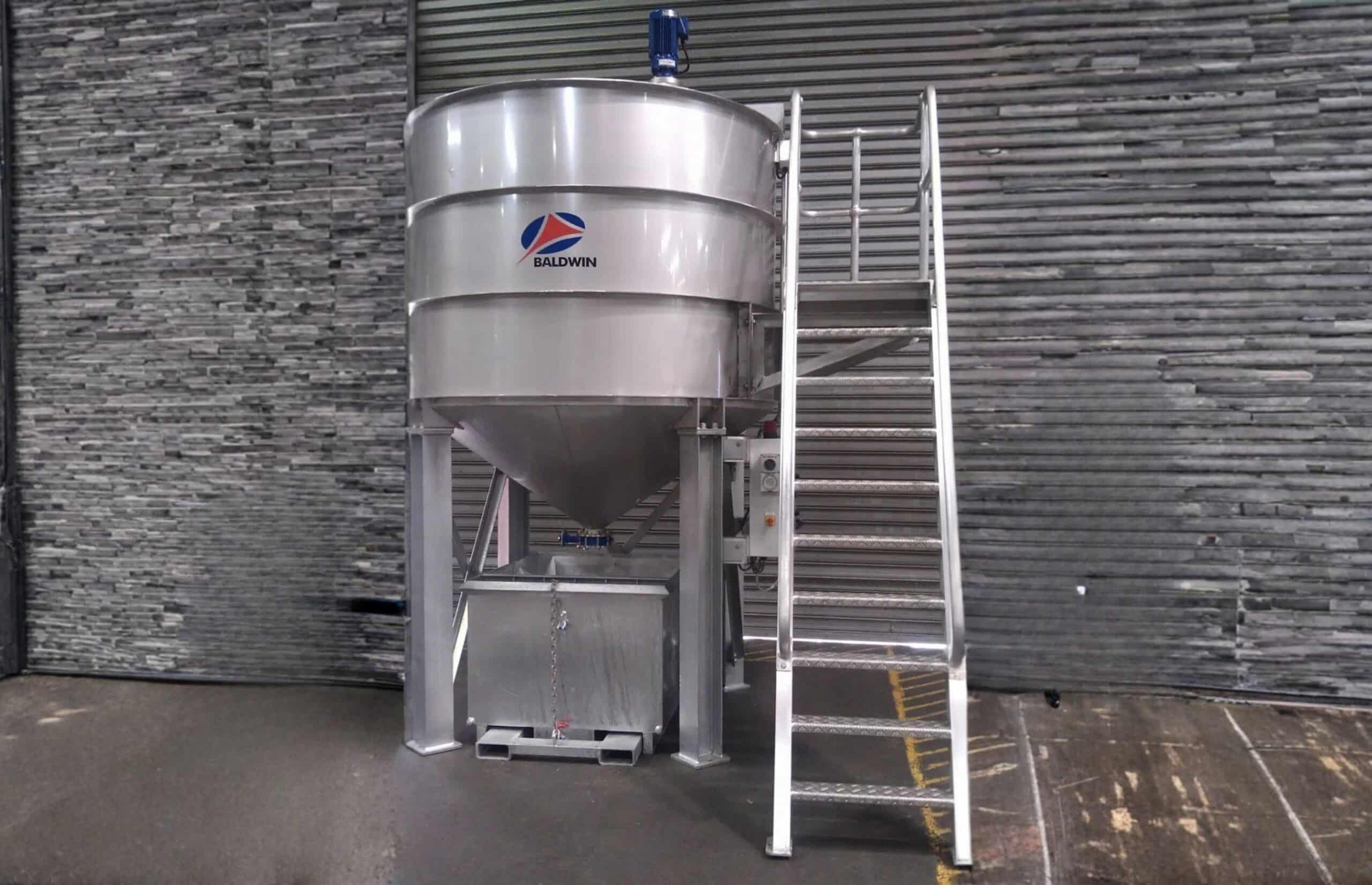
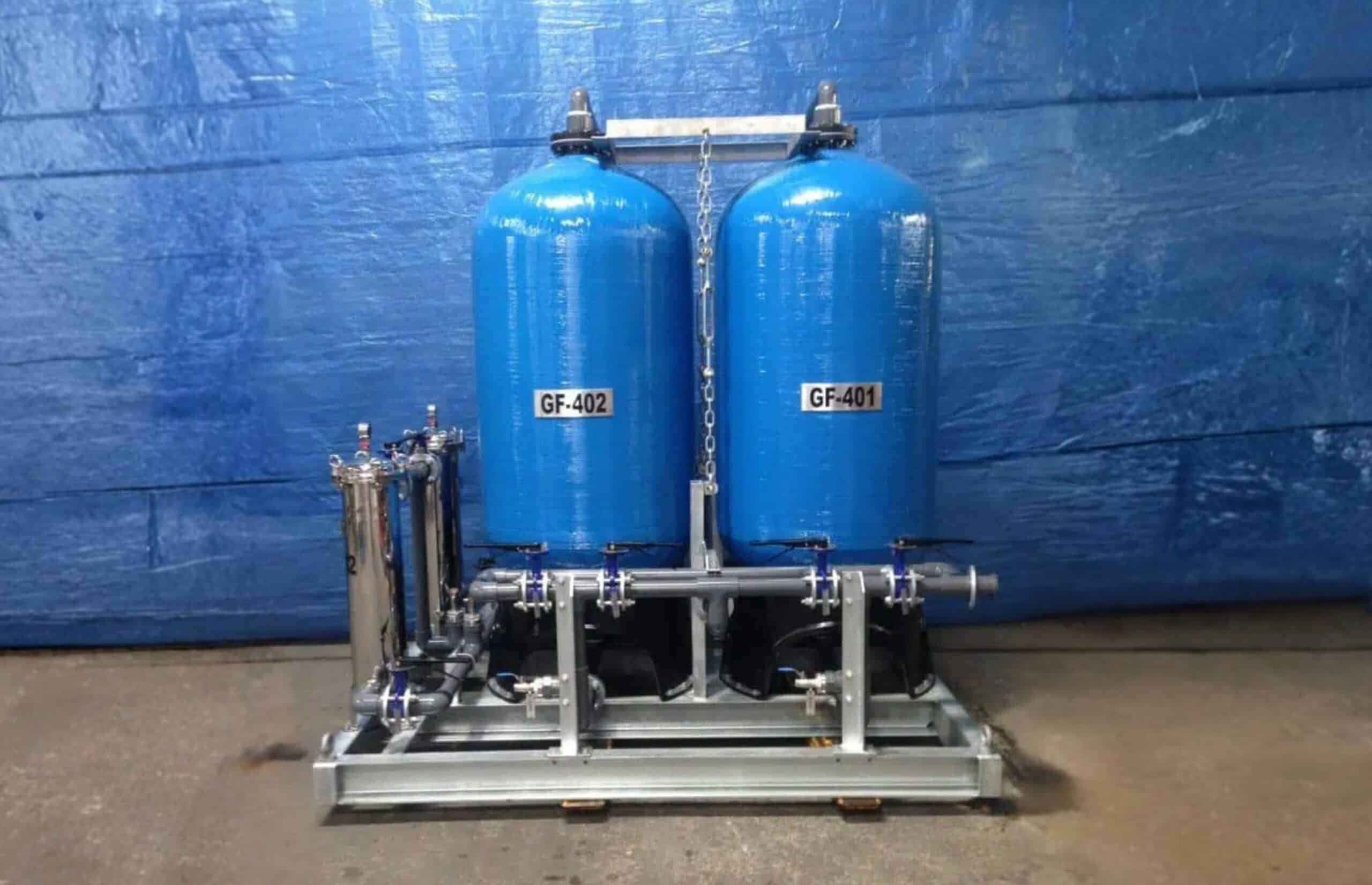
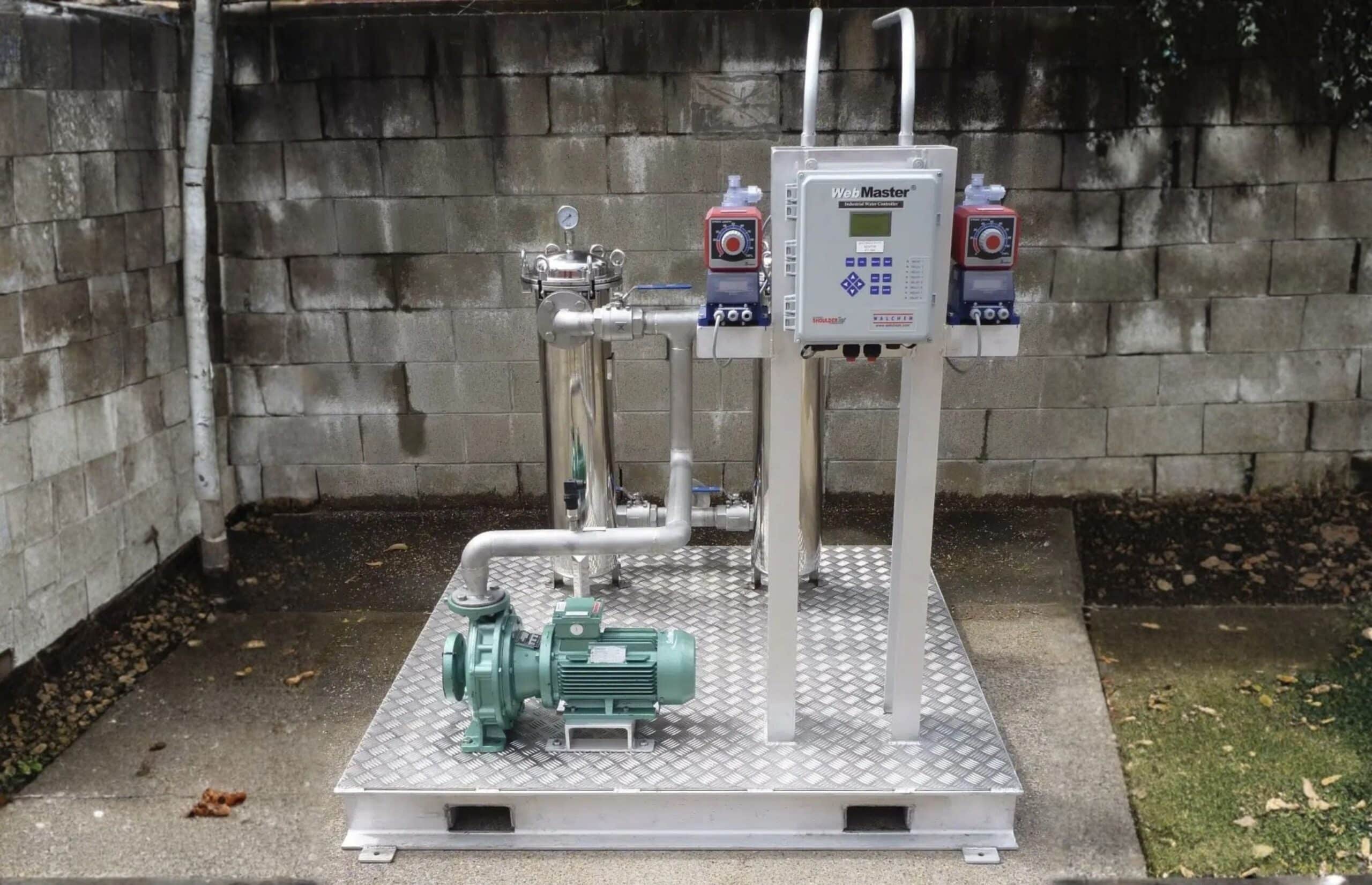
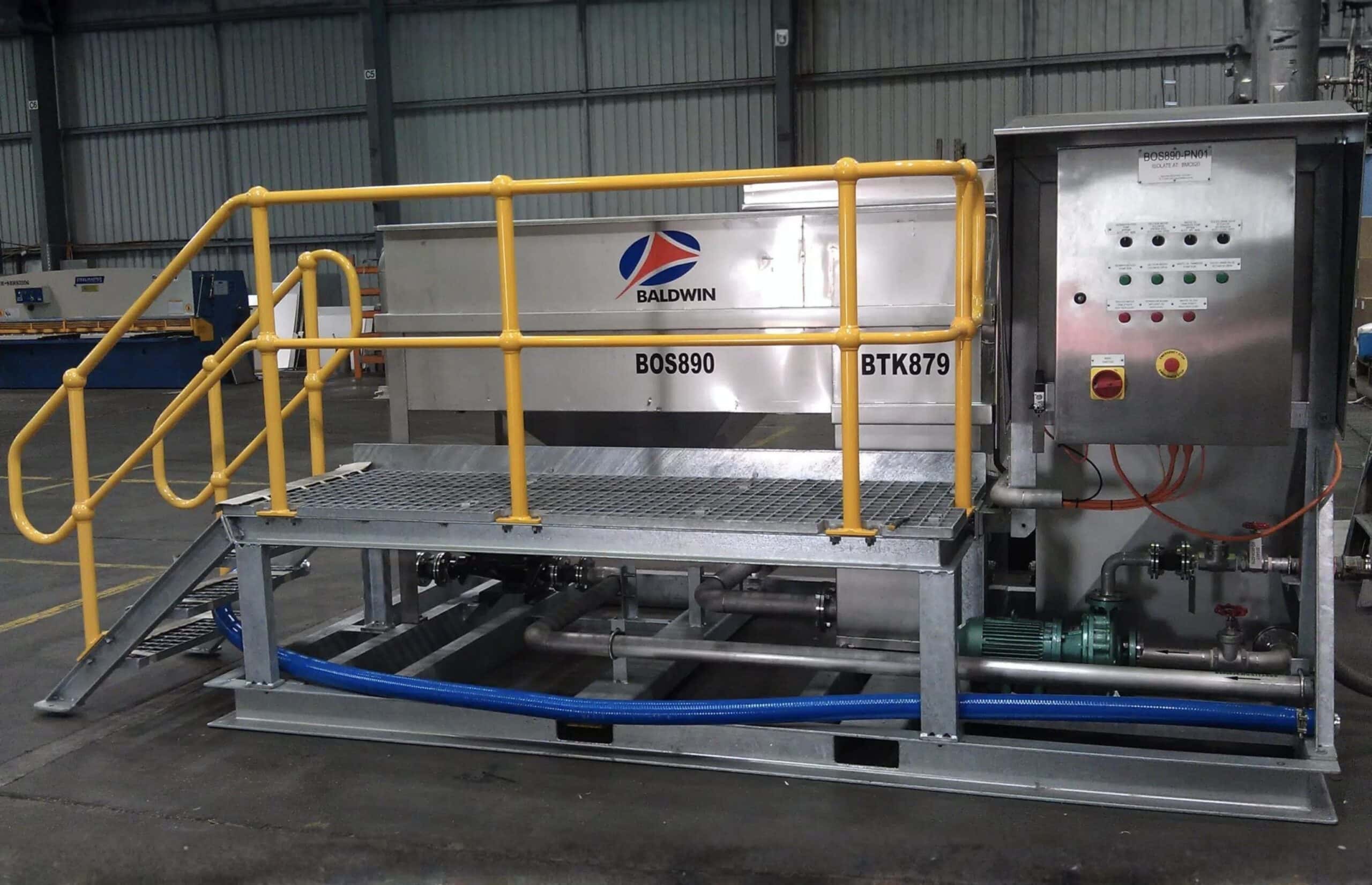
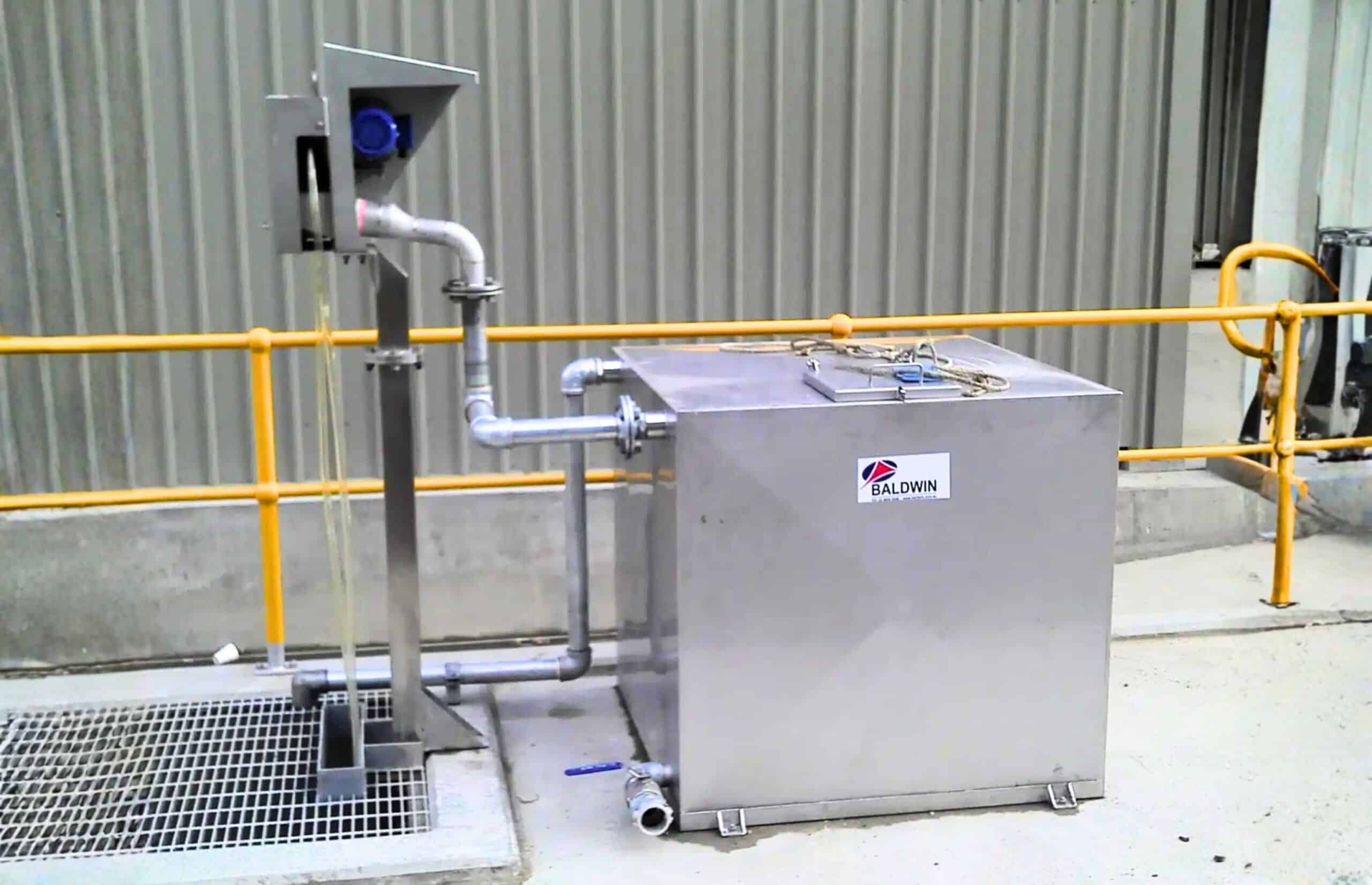
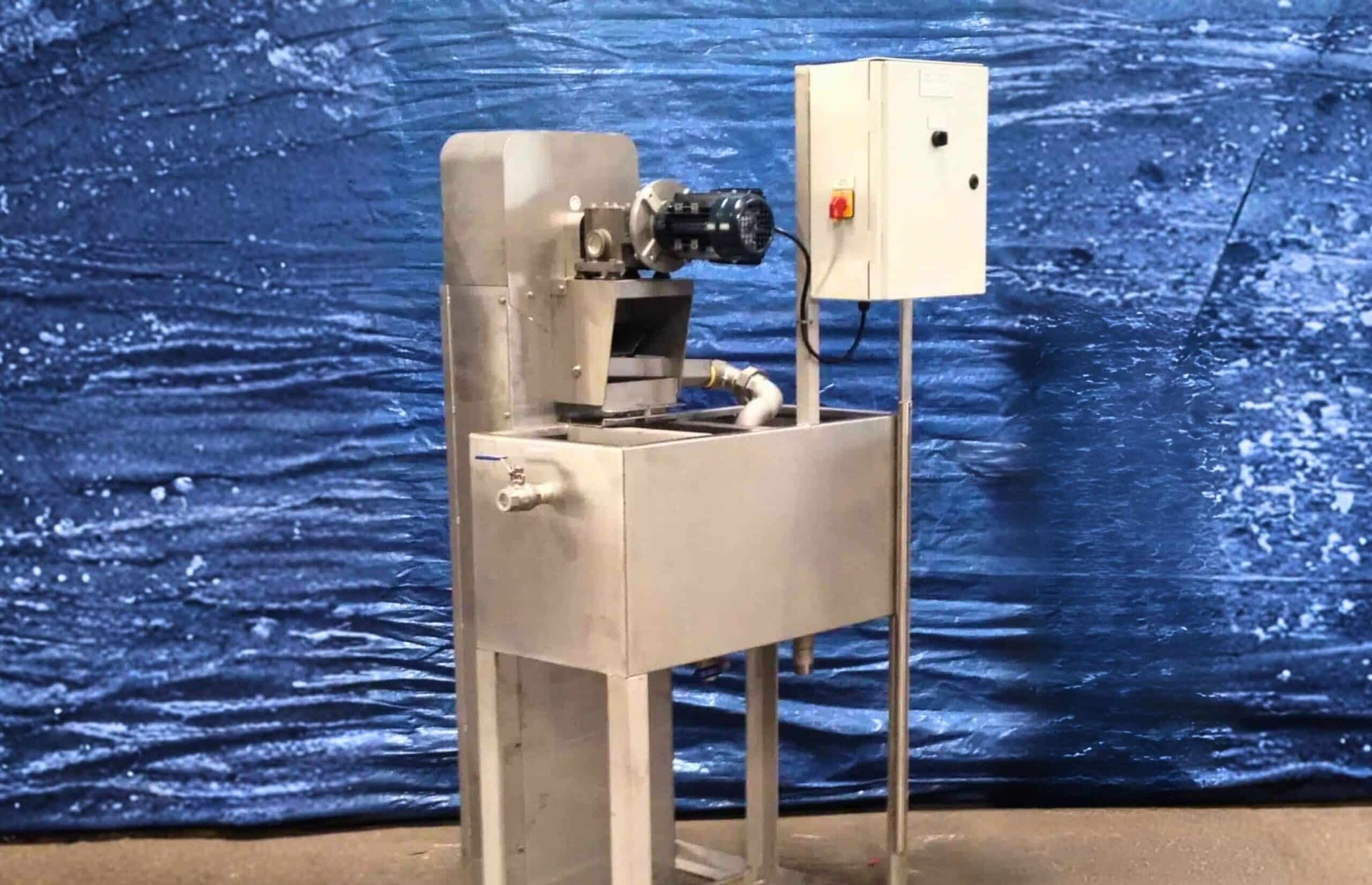
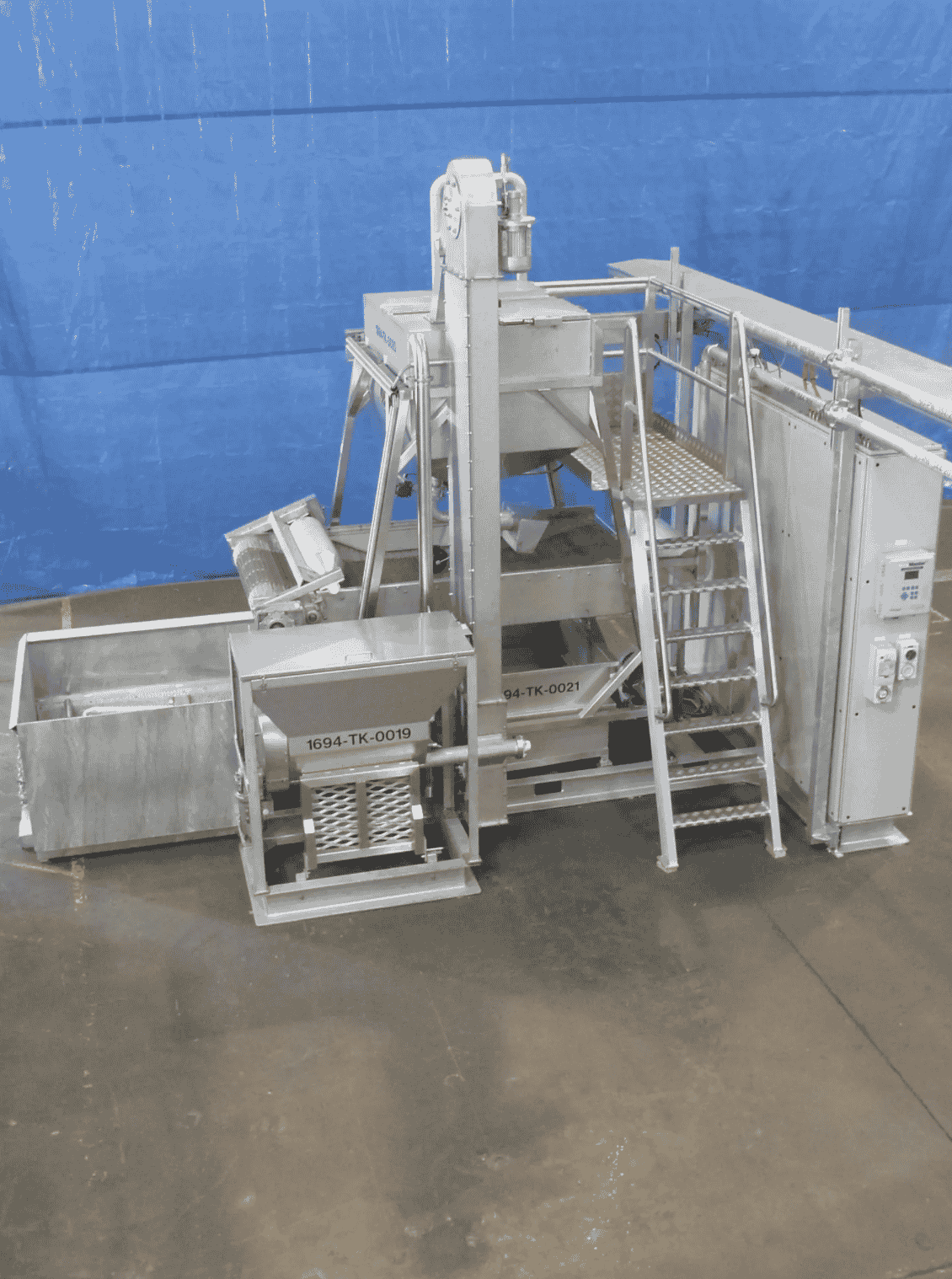
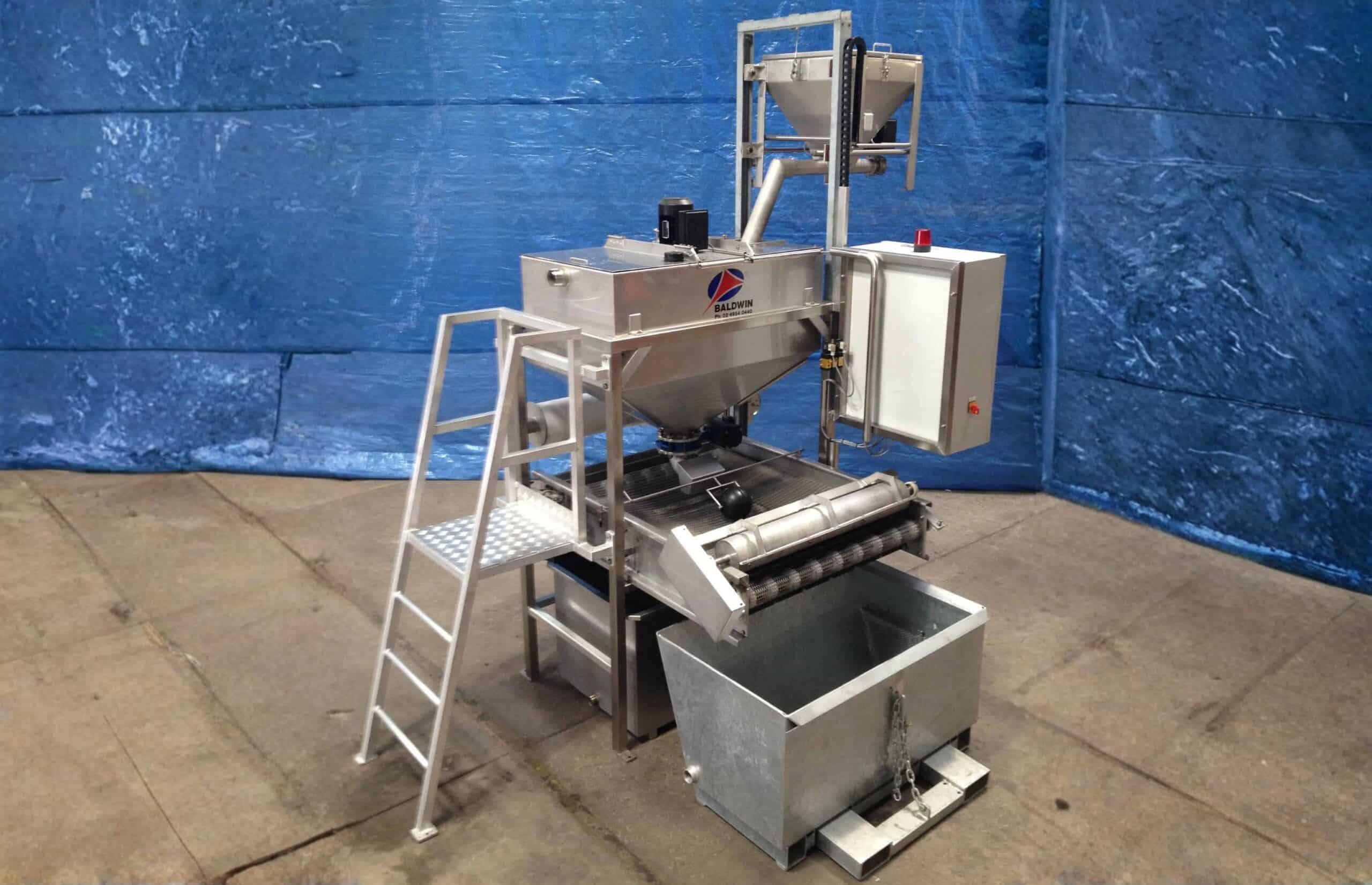
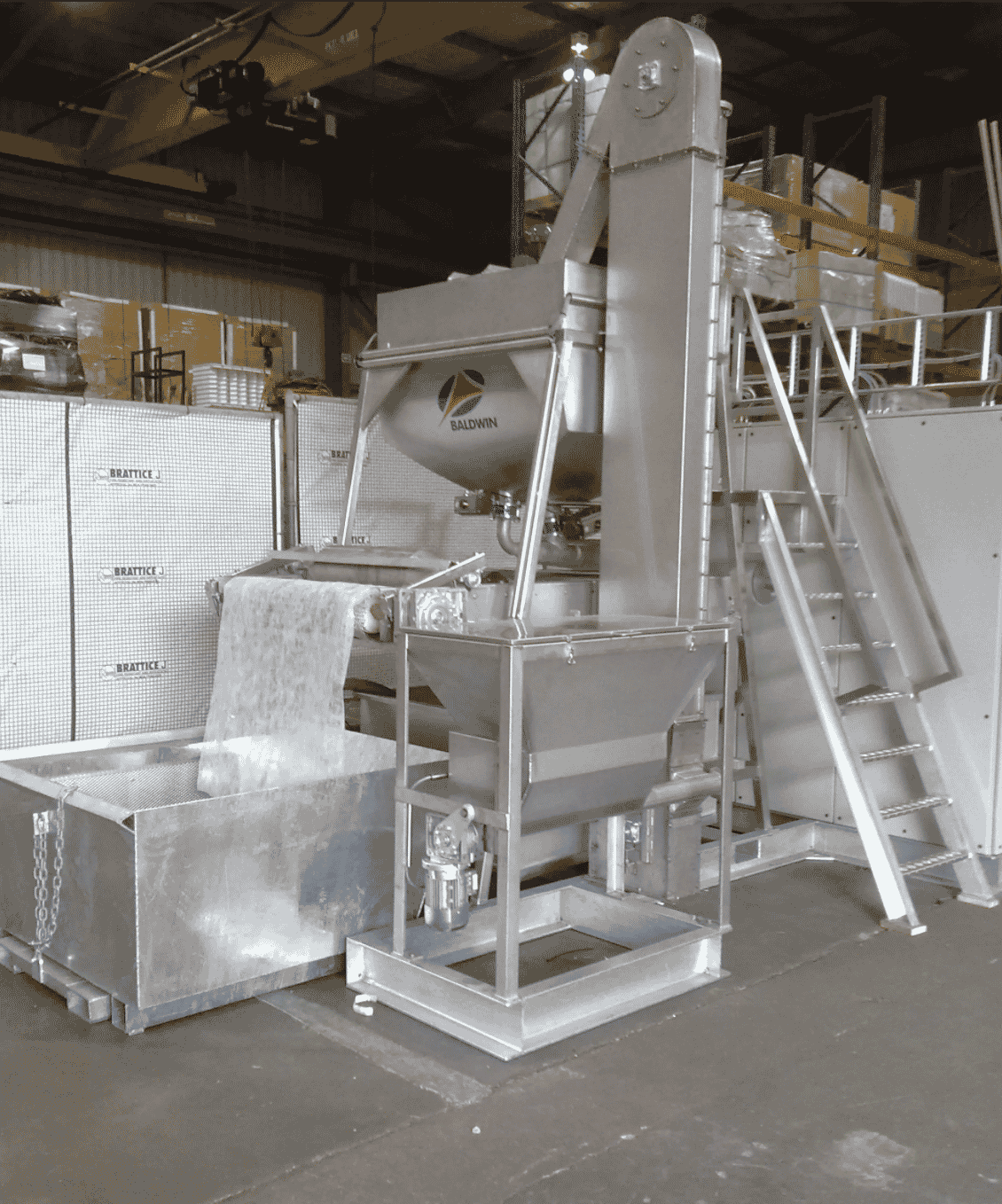
Fault Diagnosis & Troubleshooting
When a system stops performing, the cause might not always be obvious. Our team diagnoses faults across oil-water separators, DAF systems, clarifiers, and chemical dosing equipment, then gives you clear guidance on how we can fix it, from parts supply through to on-site repair.
Common faults we diagnose
- Oil-water separator not meeting discharge quality requirements
- DAF system producing inconsistent float or carry-over
- Clarifier with sludge blanket issues or poor settling performance
- Chemical dosing system with incorrect pH output or pump failure
- System flagged at EPA or trade waste compliance inspection
- Post-installation performance not matching design specification
Operator Training
All full installations include a training handover for your team before we leave your site.
We cover everything your operators need to run the system day to day, spot early signs of trouble, and keep your discharge within trade waste agreement parameters.
Training covers:
- Safe system operation and startup/shutdown procedures
- Daily monitoring requirements and what readings to look for
- Maintenance intervals and basic servicing tasks your team can handle in-house
- How to recognise early fault signs before they become failures
- Chemical handling and dosing system checks where applicable
- Record keeping for EPA and trade waste compliance
Maintaining EPA & Trade Waste Compliance
Most state EPA and local council trade waste agreements require industrial wastewater systems to be maintained and perform to specification.
Regular servicing is not just good operational practice; it is a documented condition of your approval.
For a breakdown of compliance requirements by state, see our frequently asked questions.
What happens if my wastewater system isn’t compliant?
Non-compliance with your trade waste agreement or EPA licence conditions can carry serious consequences. Under NSW’s strengthened environment protection laws, corporations can face on-the-spot fines of $30,000, daily penalties of up to $120,000 for ongoing breaches, and fines of $10 million for serious offences. Victoria carries penalties that can range up to $3.3 million.
Beyond the fines, operators can risk trade waste agreement suspension or cancellation, EPA-issued clean-up notices requiring remediation at the operator’s cost, and prosecution records published on public EPA registers.
If your system has been flagged at inspection or you have received a non-compliance notice, contact our service team as soon as possible.
Ready to book a visit or need technical support?
Our service team is based in Cardiff, NSW and supports operators across Australia through our national distributor network. Call us on (02) 4954 0440 or send an enquiry and we will get back to you.
Frequently Asked Questions
Do you service systems you did not supply?
Yes. We service and maintain industrial wastewater equipment regardless of who originally manufactured it. Contact us with your system details, and we will advise from there.
How often should my wastewater system be serviced?
It depends on your system type, operating load, and trade waste conditions. Most industrial systems need a service visit every 6 to 12 months. High-volume or high-contaminant operations may need more frequent attention. We can advise on the right schedule for your setup.
What does a wastewater system service visit include?
A full inspection of all components, performance testing against your discharge parameters, mechanical servicing, chemical top-up where applicable, and a written service record. We also provide on-site guidance for your operators during the visit.
My system has failed a compliance inspection. What do I do?
Contact us as soon as possible. We will diagnose the fault, recommend the remediation, and supply parts or carry out repairs to bring your system back into compliance. We can also help you prepare documentation for your EPA or council trade waste authority.
How do I know if my wastewater system is underperforming?
Common signs include oily sheen or visible contamination in discharge water, unusual odours, changes in flow rate, chemical dosing alarms, and trade waste test results outside agreed parameters. If you notice any of these, arrange a service visit before your next compliance test.
Can you upgrade or modify an existing wastewater treatment system?
Yes. We carry out upgrades, capacity modifications, and control panel replacements on both Baldwin-supplied and third-party systems. This is often a cost-effective alternative to full system replacement, particularly for operators dealing with changing discharge volumes or updated compliance requirements.