You are here:

Mining sites produce multiple wastewater streams, and the characteristics of those streams vary significantly between sites. Maintenance and washdown areas generate hydrocarbon-dominant effluent from equipment servicing. Mineral processing facilities produce sediment-laden water tied to ore handling, wash plants, and slurry movement. Ancillary areas produce variable runoff from vehicle wash bays, laydown areas, and rainfall events.

Each stream has a different contaminant profile and a different treatment requirement. What works for hydrocarbon-laden maintenance water won’t work for process water from mineral processing facilities, and site runoff introduces hydraulic variability that neither system is designed to absorb alone.
Why Mining Wastewater Is Different

Industrial effluent from mining sites is not consistent in the way that factory or commercial wastewater tends to be. Loads shift with production schedules, maintenance activity, and weather. Variable flow and load conditions are the norm, not the exception.

Maintenance and washdown areas are primarily driven by oil and grease contamination. Diesel, hydraulic oils, lubricants, and coolants are discharged in intermittent but concentrated loads during equipment servicing. Those loads can spike sharply and exceed discharge limits quickly if the system isn’t designed to handle them.

Process water from mineral processing facilities is a different problem entirely. Suspended solids and sediment-laden water dominate, influenced by ore characteristics and slurry carryover. The treatment approach for that stream focuses on clarification and solids capture, not hydrocarbon removal.

Treatment systems must accommodate those fluctuating loads and contaminants across all streams simultaneously. That’s what makes wastewater treatment for mining operations more demanding than most industrial applications.

How Treatment Systems Are Configured on Mine Sites

Workshop and process water need different primary treatment drivers, and the staging has to account for both running simultaneously. Oil-water separation comes first for maintenance streams because hydrocarbons carry through and foul clarification if not removed early. For process streams from mineral processing facilities, clarification is the primary driver and oil separation is secondary. The order is determined by which stream is dominant, not by convention.

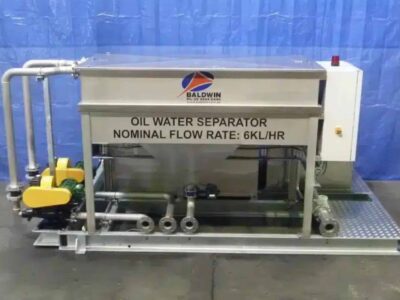
Oil-water separation is the critical first step for hydrocarbon-dominant maintenance and washdown water. Free-floating hydrocarbons from equipment maintenance need to be removed before solids handling begins. Without that stage, hydrocarbons carry through and compromise downstream performance.

Solids removal and clarification is the primary treatment driver for process water from mineral processing facilities. For maintenance and washdown streams, clarification improves oil separation and prevents downstream fouling from sediment-laden water carrying entrained hydrocarbons.

Filtration and polishing removes residual fine solids and emulsified hydrocarbons at the final stage to meet discharge or reuse requirements. Where compliance limits are tight, this stage is what closes the gap.

Staged treatment processes protect downstream components from shock loading and maintain compliance reliability when loads fluctuate. Staging also means that when one stream changes in character, it doesn’t immediately compromise the whole system.

Flexibility and Modularity on Mine Sites

Remote mining sites and space-constrained operational areas can’t always accommodate fixed, large-footprint infrastructure. Modular or containerised systems allow capacity upgrades, reconfiguration between treatment streams, and relocation as site layouts change.

Mine site wastewater management changes over the operational lifecycle. Maintenance water volumes grow as fleets expand. Process water characteristics shift as ore bodies change. Treatment infrastructure needs to adapt to those changes without requiring full replacement. Modular system design addresses that directly.

Compliance and Environmental Risk

Mining wastewater must meet environmental authority requirements and trade waste approvals. Discharge limits for hydrocarbons and suspended solids are strict, and exceedances trigger fines, mandatory reporting, and potential operational disruption.

Compliance requirements differ between maintenance and process water streams. Hydrocarbon limits apply primarily to maintenance and washdown effluent. Suspended solids limits are the dominant driver for process streams. Both need to be managed within the same site environmental management plan, which means the treatment system has to be capable across all streams without compromise.

The risk of surface and groundwater contamination is a direct consequence of non-compliant discharge, particularly on remote mining sites where receiving environments are sensitive and monitoring is less frequent. Front-end oil separation and adequate clarification capacity are what prevents that risk from materialising.

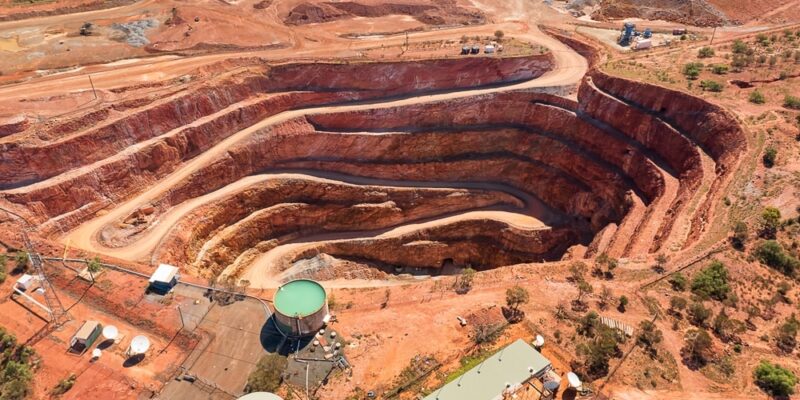
Aerial view of open-pit copper mine and red Outback soil near Cobar, Australia

How Baldwin Supports Mining Operations

Baldwin starts with a site assessment covering wastewater characteristics across maintenance, process, and ancillary streams, along with operational constraints, variable flow and load conditions, and discharge obligations under applicable environmental authority requirements. Nothing is specified until that picture is complete.

From there, Baldwin designs and builds treatment systems configured around the actual requirements: oil-water separation, clarification, dissolved air flotation, filtration and polishing, or staged combinations depending on what the site demands. Modular or containerised systems are available where footprint, access, or future flexibility is a factor. Ongoing support after commissioning ensures consistent performance as site conditions evolve.

Frequently Asked Questions

What wastewater streams are typical on mining sites?

Mining operations typically produce three distinct streams. Maintenance and washdown areas generate hydrocarbon-dominant wastewater from equipment servicing, containing diesel, hydraulic oils, lubricants, and coolants. Mineral processing facilities produce sediment-laden process water dominated by suspended solids from ore handling and slurry movement. Ancillary areas produce variable runoff from vehicle wash bays, laydown areas, and rainfall events. Each stream has different contaminant characteristics and requires a different treatment approach.

Why is mining wastewater different from other heavy industrial effluent?

Wastewater characteristics vary significantly between sites and between streams within the same site. The combination of hydrocarbon-dominant maintenance effluent, solids-heavy process water, and variable site runoff is not common in other industrial environments. Variable operational conditions, remote locations, and the need to manage multiple streams simultaneously under environmental authority requirements make mine-site wastewater management more complex than in most industrial applications.

What are the compliance requirements for mining wastewater in Australia?

Mining operations discharge under environmental authority conditions issued by state regulators, which set limits on hydrocarbons, suspended solids, pH, and other parameters depending on the receiving environment and site classification. Sites discharging to sewer also operate under trade waste approvals. Requirements vary by state and are typically documented within a site environmental management plan. Non-compliance can result in fines, reporting obligations, and conditions on operational continuity.

How are treatment systems designed for remote mining sites?

Remote mining sites introduce constraints around footprint, access, power availability, and maintenance logistics. Baldwin uses modular or containerised system configurations to address those constraints. Modular systems can be staged for capacity upgrades, reconfigured between treatment streams, and relocated as site layouts change. The design process accounts for remote installation requirements from the outset.

Can a single treatment system handle multiple wastewater streams on a mining site?

It depends on the site. Some configurations handle multiple streams through staged treatment processes, with each stage targeting the dominant contaminant for that stream. In other cases, separate systems or parallel treatment trains are more appropriate, particularly where streams have significantly different flow rates or contaminant profiles. Baldwin’s site assessment determines the most practical and compliant configuration for the specific operation.

Industrial Wastewater Treatment Resources

Compact coalescing plate oil water separator for efficient oil and water separation in small-scale operations

Wastewater Treatment Products

Treatment systems and components by application

Control panels installed on an industrial wastewater treatment system in Sydney

Wastewater Treatment Technologies

The treatment technologies Baldwin applies by process and application

Custom industrial wastewater treatment system designed and fabricated by Baldwin Industrial Systems

Case
Studies

Examples of Baldwin systems across industrial sites