You are here:

No two industrial sites produce the same wastewater. A mining workshop deals with heavy oils, metal particles, and high solids from vehicle maintenance. A petrol station manages hydrocarbon runoff from forecourts. A refinery handles process effluent whose chemistry shifts across production cycles. The contaminants, volumes, and discharge obligations are different.

Getting the treatment system wrong means compliance failures, equipment damage, and operational disruption. Getting it right starts with understanding what is actually in the water and how the site operates.

Industries We Serve

Mining icon

Wastewater Treatment for Mining

Mine site workshops generate oily, high-solids wastewater from heavy vehicle wash-downs and equipment servicing. Lubricants, hydraulic oils, and metal particles are common, and loads shift with maintenance schedules. Treatment needs to handle that variability reliably while meeting trade waste and discharge requirements.

Petroleum icon

Wastewater Treatment for Petrol Stations

Forecourt washdowns, minor spills, and stormwater runoff all contribute to hydrocarbon-contaminated wastewater at petrol stations. Contaminant loads vary with weather and site activity. Even small discharge events can create compliance exposure under EPA and trade waste standards.

Factory icon

Wastewater Treatment for Petroleum Refineries

Refinery wastewater is high-strength and chemically variable. Process operations, cleaning cycles, and chemical handling each produce different effluent profiles, and those profiles shift with production. Treatment systems need to handle complex hydrocarbon mixtures across that variability while meeting strict regulatory obligations.

Power station icon

Wastewater Treatment for Power Stations

Cooling systems, chemical dosing, and maintenance activities all produce wastewater at power generation facilities. Chemical content is elevated, flows fluctuate with operating cycles, and discharge standards apply regardless. Treatment systems need to remain stable across those conditions.

Railway icon

Wastewater Treatment for Railway Workshops

Cooling systems, chemical dosing, and maintenance activities all produce wastewater at power generation facilities. Chemical content is elevated, flows fluctuate with operating cycles, and discharge standards apply regardless. Treatment systems need to remain stable across those conditions.

Common Industrial Wastewater Challenges

Industrial wastewater is rarely consistent. Oil and grease loads build during peak activity. Suspended solids spike with maintenance schedules. Chemical concentrations shift with production. Volumes rise and fall in ways that reduce retention time and separation efficiency, sometimes simultaneously.

Trade waste requirements, discharge standards, and EPA obligations do not adjust to match those fluctuations. Compliance depends on systems designed around how a site actually runs, not around a steady-state assumption that does not hold in practice.

Custom Wastewater Treatment Systems for Industry

Baldwin designs and builds treatment systems around the site, considering the contaminants present, fluctuating volumes, and any applicable discharge standards. That assessment happens before anything is specified.

Systems are built around the treatment requirement: oil-water separation, solids removal, dissolved air flotation, filtration, or staged combinations where the problem demands it. Baldwin has been doing this across high-risk industrial sites for over 35 years.

Frequently Asked Questions

How does industrial wastewater treatment differ by industry?

The contaminants, volumes, and discharge obligations vary significantly depending on what a site does. A mining workshop produces oily, high-solids wastewater from vehicle maintenance. A refinery handles chemically complex process effluent. A petrol station manages hydrocarbon runoff from forecourts. Each environment creates a different treatment problem, and the system needs to be designed around the specific contaminants and compliance requirements for that industry, not applied generically across all of them.

What contaminants are typically found in industrial wastewater?

The most common contaminants across industrial sites are free-floating and emulsified oils, suspended solids, heavy metals, hydrocarbons, and chemical residues from cleaning and production processes. The mix depends on the industry. Mining and mechanical workshops tend to produce high oil and solids loads. Refineries produce complex hydrocarbon mixtures. CSG sites introduce salts and dissolved solids on top of those. Identifying the actual contaminant profile is the starting point for any system design.

How do I know which treatment system my site needs?

Understanding what is in the water comes first: oil type and concentration, suspended solids loading, pH, temperature, and flow volumes. Discharge consent conditions and trade waste requirements set the compliance target. From there, the right combination of treatment stages can be determined. Baldwin assesses each site before specifying any system. Contact the team to discuss your site’s requirements.

Can a wastewater treatment system handle variable or fluctuating loads?

Most industrial sites do not produce consistent wastewater volumes. Loads shift with maintenance schedules, production cycles, and weather events. Systems designed around peak and average flow rates, with appropriate retention time and hydraulic capacity, can manage that variability reliably. Systems sized for ideal conditions typically cannot.

What are the compliance requirements for industrial wastewater discharge in Australia?

Industrial sites that discharge wastewater to sewer operate under trade waste agreements with their local water authority, which set limits on contaminants such as total petroleum hydrocarbons (TPH), suspended solids, pH, and temperature. Sites discharging to stormwater or receiving waters are subject to EPA licences and must meet discharge standards under state environmental protection legislation. Requirements vary by state, industry classification, and site risk level. Non-compliance can result in penalties, licence suspension, or enforcement action.

What is involved in getting an industrial wastewater treatment system designed and installed?

Baldwin starts with a site assessment: wastewater characteristics, site layout, flow volumes, and discharge obligations. A system is then designed around those specific requirements. Baldwin handles design, manufacture, installation, and commissioning. Ongoing support is provided after commissioning to maintain performance and compliance. Talk to the team to get started.

Industrial Wastewater Treatment Resources

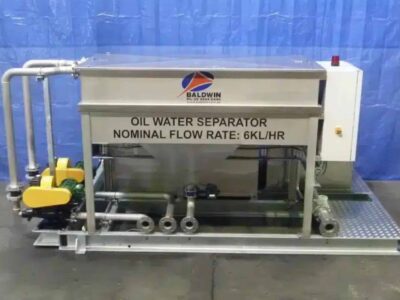
Compact coalescing plate oil water separator for efficient oil and water separation in small-scale operations

Wastewater Treatment Products

Treatment systems and components by application

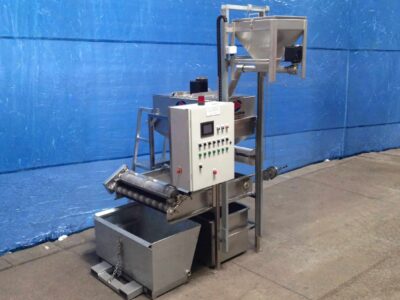
Control panels installed on an industrial wastewater treatment system in Sydney

Wastewater Treatment Technologies

The treatment technologies Baldwin applies by process and application

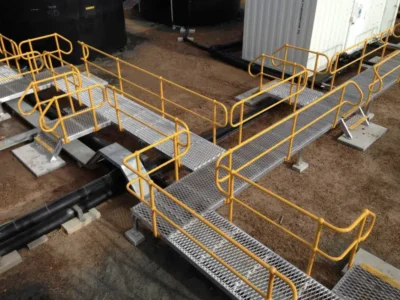
Custom industrial wastewater treatment system designed and fabricated by Baldwin Industrial Systems

Case
Studies

Examples of Baldwin systems across industrial sites