
Baldwin Industrial Systems has designed, built and serviced industrial wastewater treatment systems for more than 35 years. This page answers the questions that come up across the industries we work with and our product range: how to choose between treatment technologies, which trade waste limits apply in each state, what the penalties are for non-compliant discharge, and how to maintain treatment equipment over its working life. For questions specific to your sector, see the relevant industry page.
Expert answers on industrial wastewater treatment and compliance
Choosing between treatment technologies
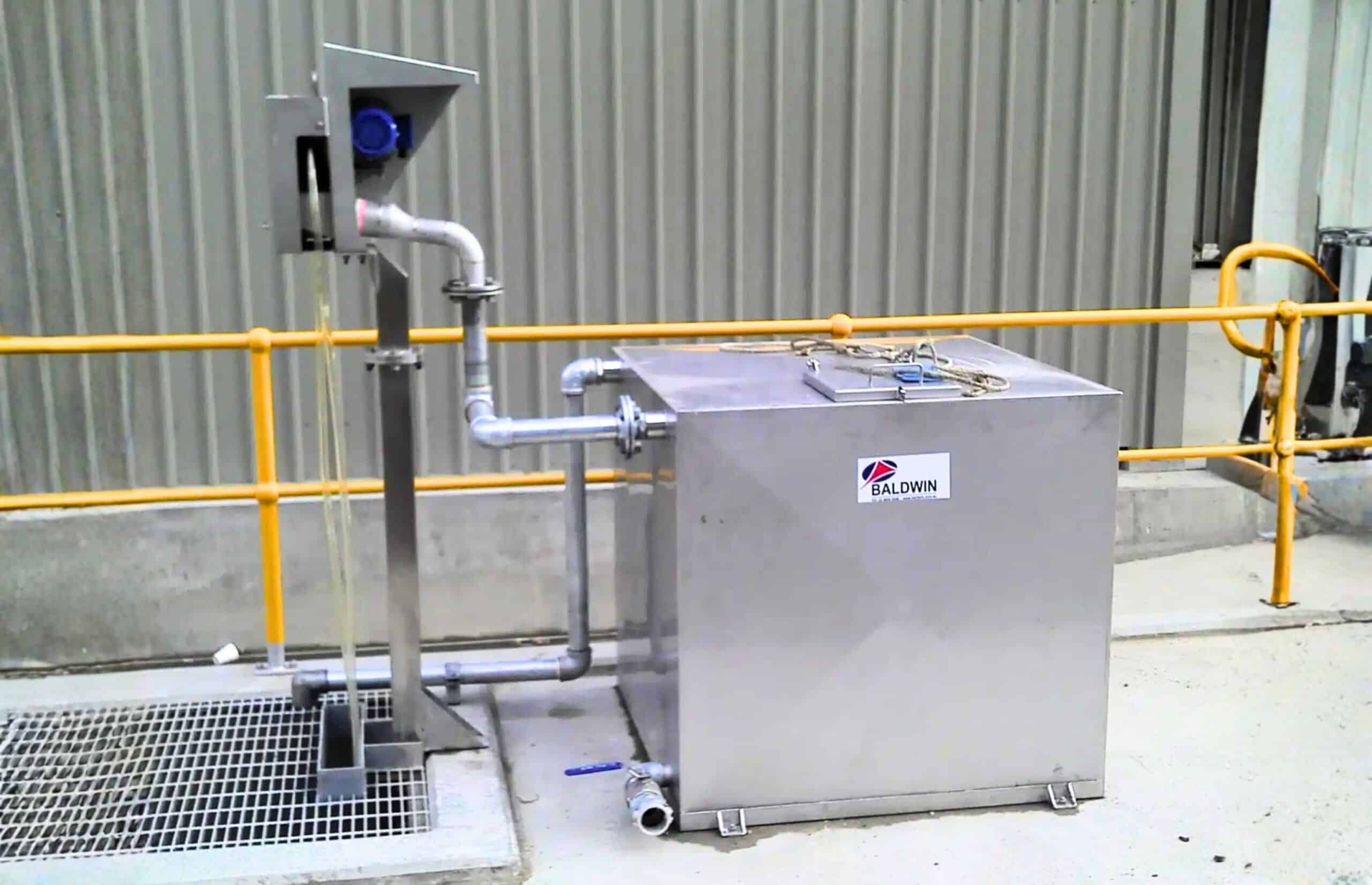
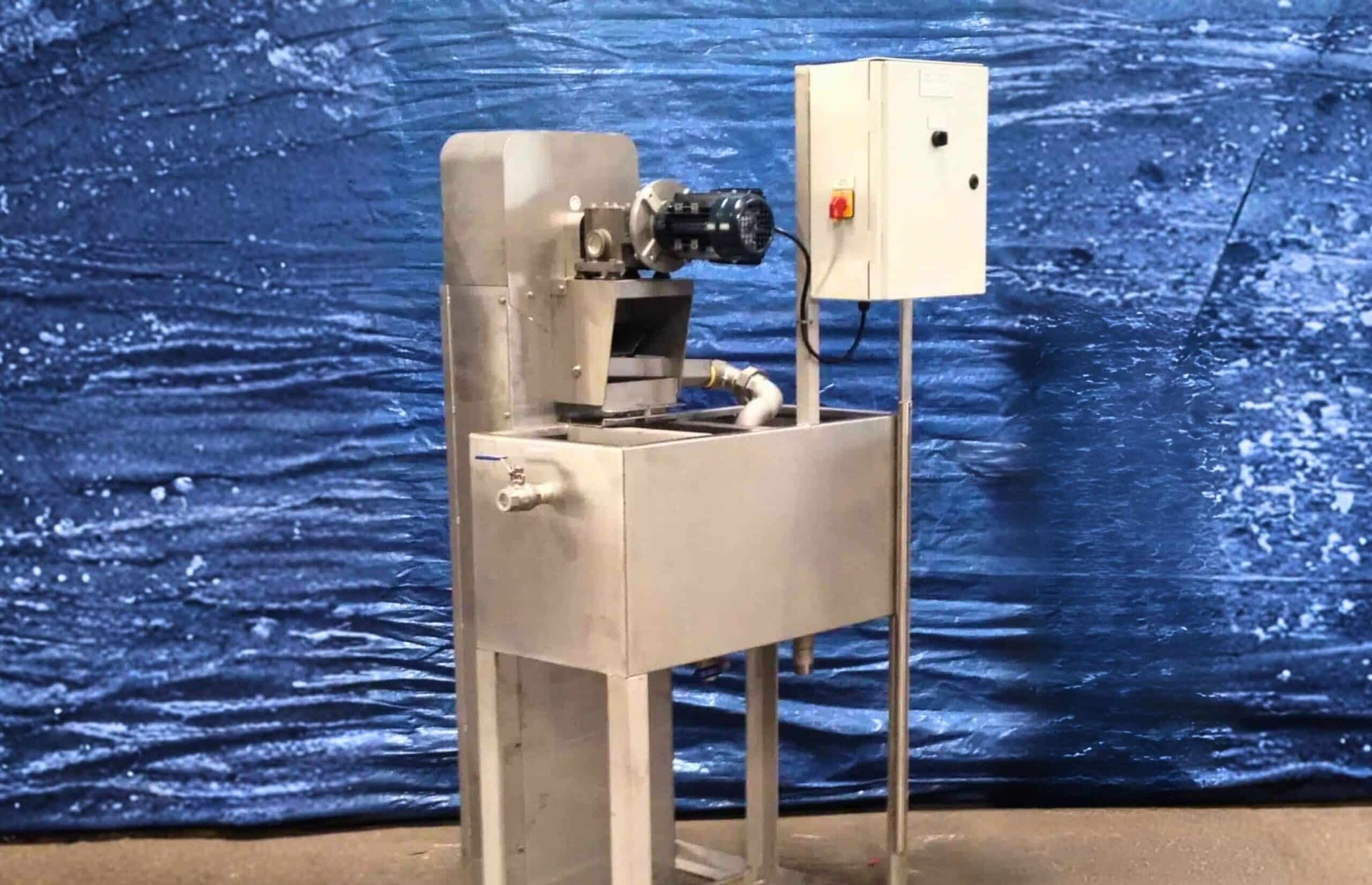
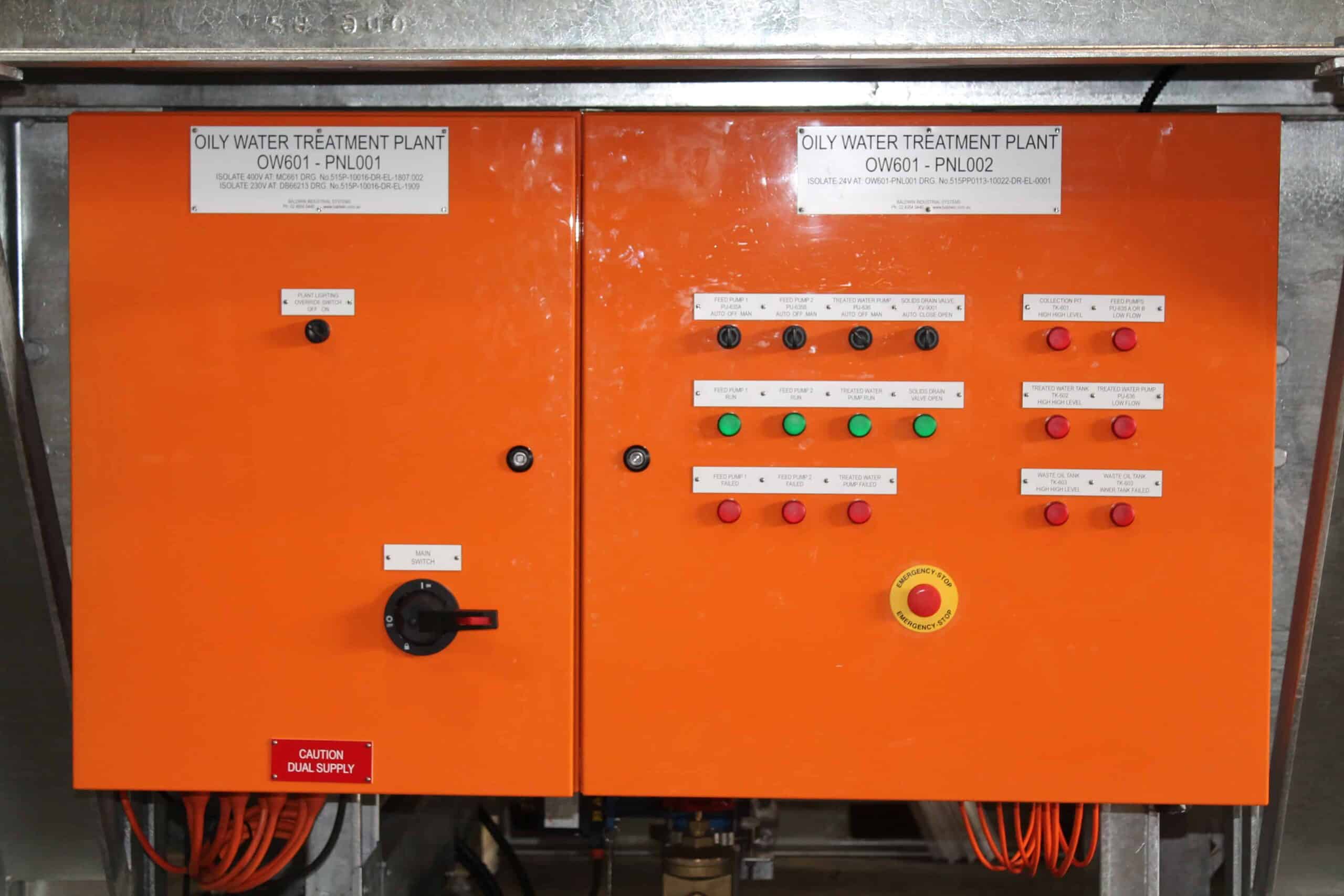
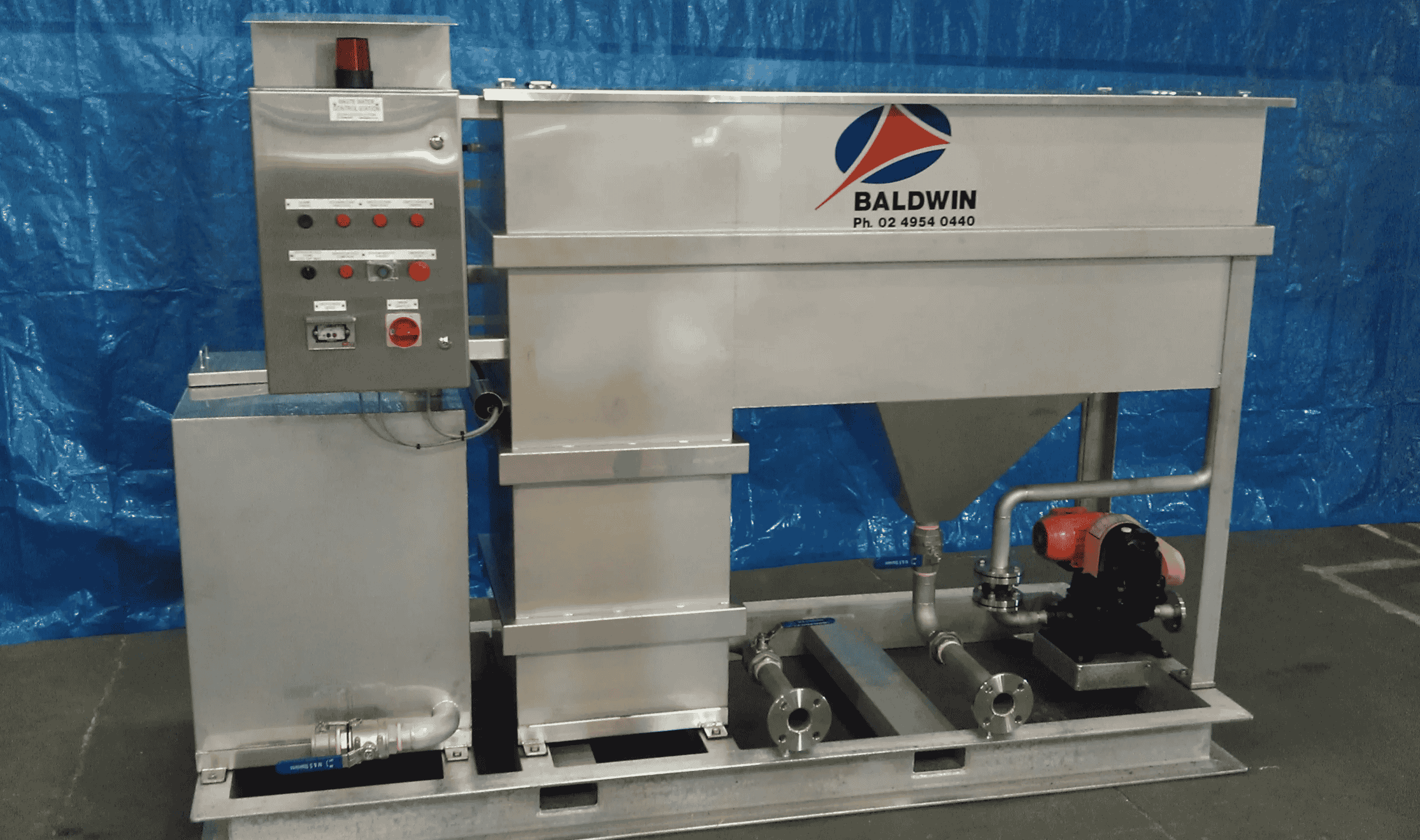
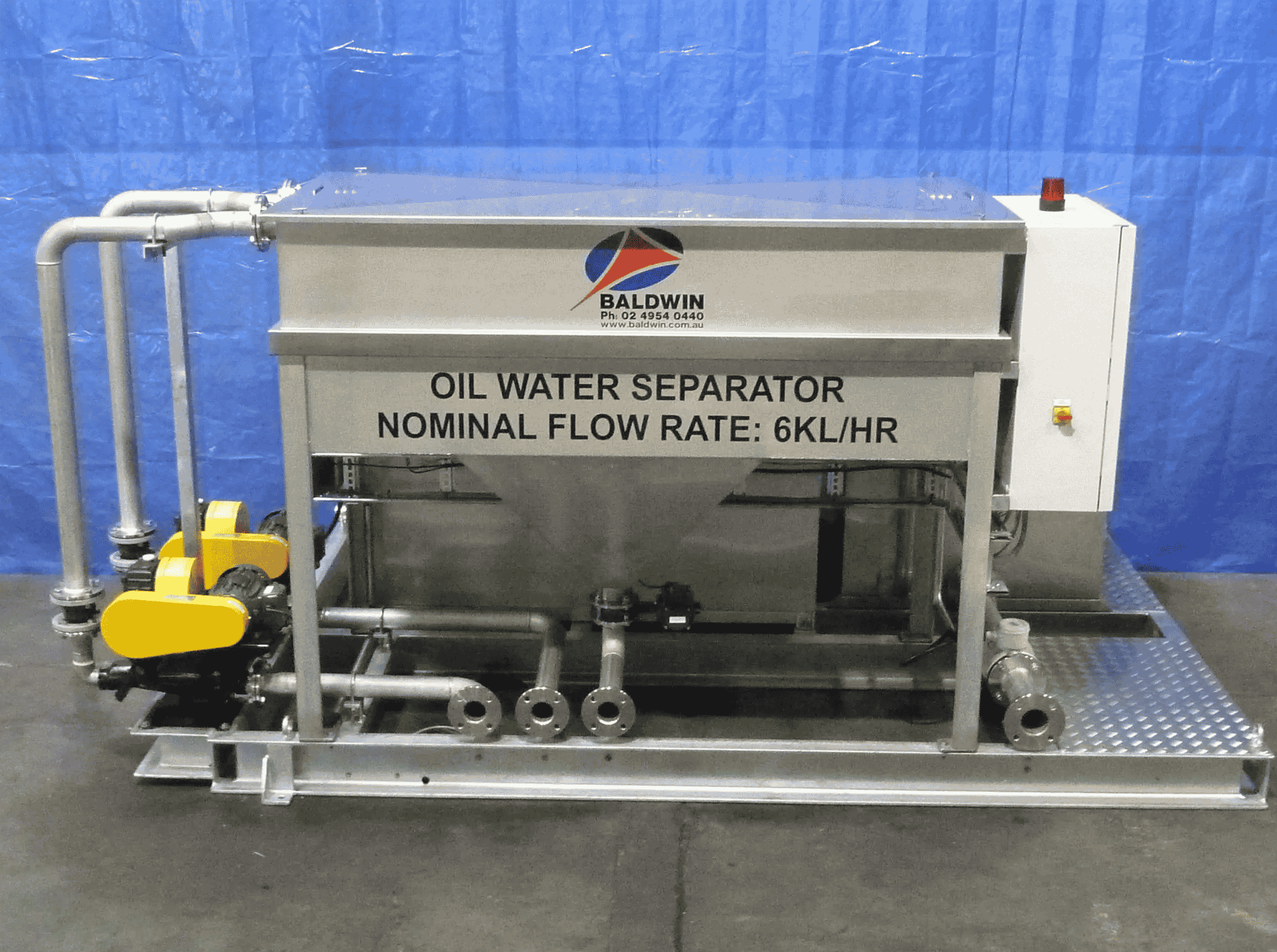
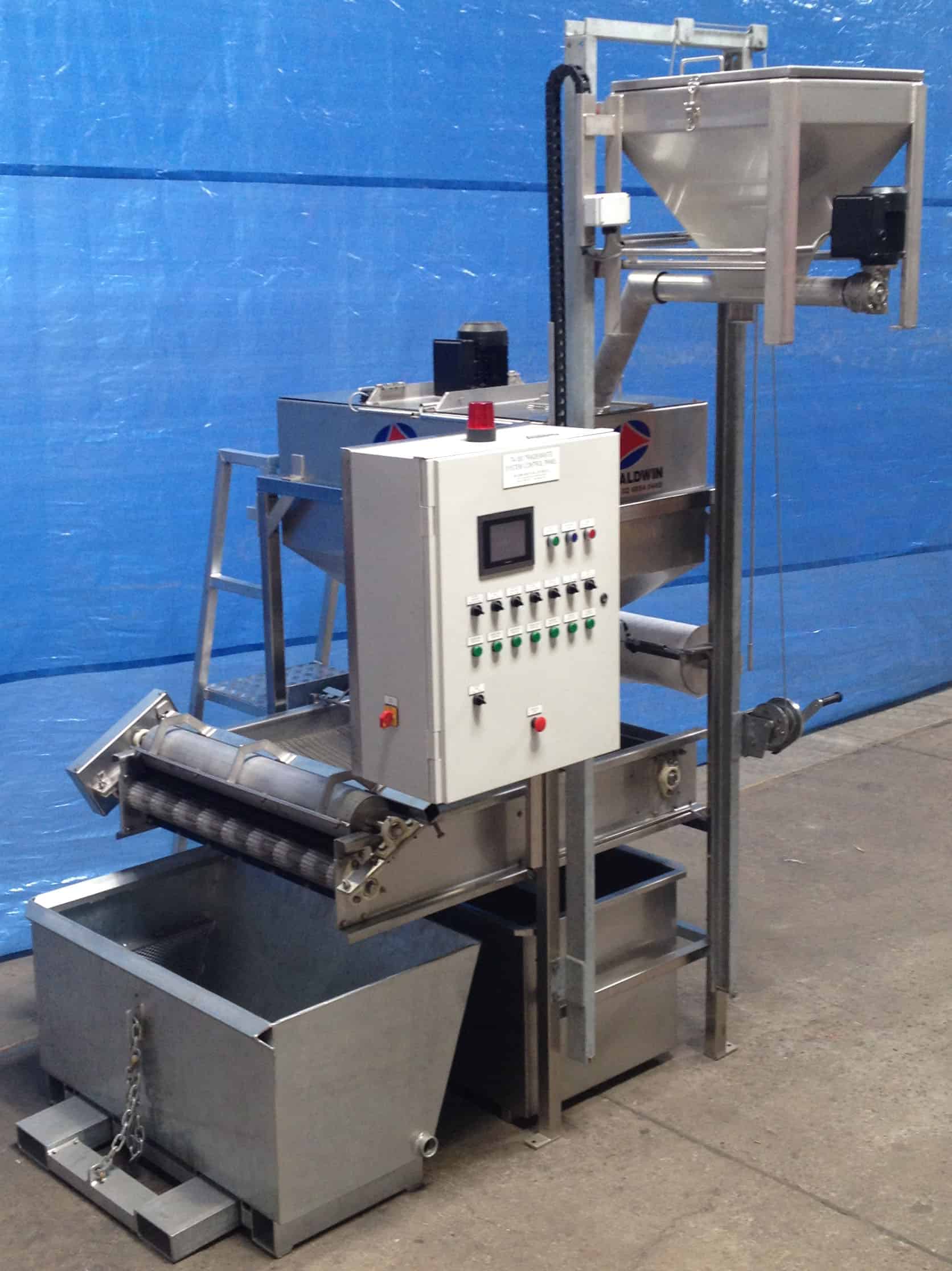
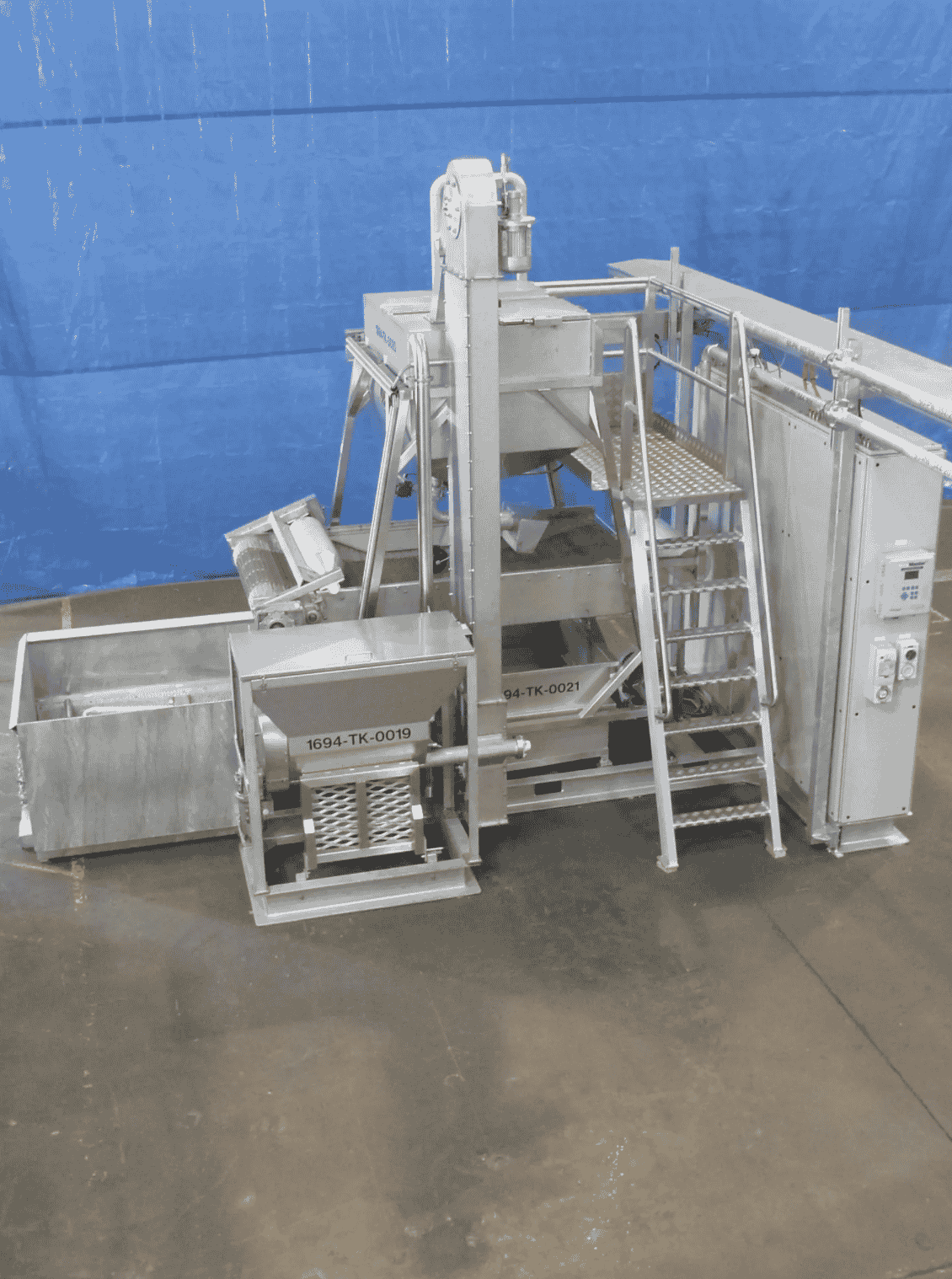
Coalescing plate separators handle free and dispersed oil with droplets above 20 microns and specific gravity below 0.95, achieving below 10 mg/L oil and grease. A DAF handles emulsified oil below 10 microns, TSS above 150 mg/L or FOG above 500 mg/L using chemical coagulants. Use coalescing plate for workshops and fuel sites. Use DAF for food processing, wash bays with detergents and emulsion-heavy streams. Many sites use both as sequential stages.
Add chemical treatment when oil is emulsified below 20 microns, when pH falls outside 6 to 10, when dissolved metals require precipitation or when TSS persists after gravity settling. Typical coagulant doses are 100 to 500 mg/L polyaluminium chloride or ferric chloride, plus 1 to 5 mg/L polyacrylamide for flocculation. Physical separation alone fails on surfactant-stabilised wash water because detergents reduce oil-water interfacial tension below the threshold where gravity and coalescing plates can capture droplets.
Coalescing plate separators use gravity and oleophilic plates spaced at 6mm to 50mm and angled at 45 to 90 degrees, removing oil to below 10 mg/L at flow rates of 1,000 to 500,000 L/h. Hydrocyclones use centrifugal force in a conical chamber with 2 to 3 second retention, may achieve below 5 ppm under ideal conditions but require pumping pressure and fail on treating emulsions. Coalescing plate units can be used at gravity-fed sites where pumping infrastructure is not available or not justified.
Free oil exists as droplets above 150 microns that rise within 30 minutes in a settling jar and is removed by API gravity separators. Dispersed oil sits between 20 and 150 microns and is removed by coalescing plates to below 10 mg/L. Emulsified oil is stabilised by surfactants or mechanical shear below 10 microns and requires chemical demulsification with PAC or ferric chloride plus a chemical treatment such as DAF or Baldwin RM-10 to separate.
A quick-break detergent is a surfactant cleaner that releases its emulsified oil within 5 to 30 minutes, allowing a coalescing plate separator to capture the freed oil. Sydney Water and most Australian water authorities require quick-break products on wash bay sites because caustic, alkaline and solvent cleaners create stable emulsions below 10 microns that pass straight through gravity separators and breach trade waste discharge limits.
The sewer carries domestic sewage and approved trade waste to a treatment plant under a utility permit. Stormwater carries rainwater only, untreated, direct to creeks and the ocean. NSW EPA’s position is “the drain is just for rain” and is mirrored in Victoria, Queensland, WA and SA. Discharging trade waste to stormwater breaches the POEO Act 1997 (NSW) and equivalent state Acts, and triggers strict liability water pollution offences in every Australian jurisdiction.
Trade waste permits and EPA licences
Yes, if you discharge anything other than domestic sewage to the sewer. Sydney Water calls it a Consent to Discharge. Yarra Valley Water calls it a Trade Waste Agreement. Queensland Urban Utilities calls it a Trade Waste Approval. Water Corporation (WA) calls it a Trade Waste Permit. SA Water calls it a Trade Waste Discharge Consent. Application is mandatory before discharge starts.
A trade waste permit covers discharge to sewer. An EPA licence covers discharge to the environment (waterway, stormwater, land or air). Many industrial sites need both. EPA licences are triggered by scheduled activities under the POEO Act 1997 Schedule 1 (NSW), prescribed activities under EP Regulations 2021 (Vic), environmentally relevant activities under EP Regulation 2019 (Qld) or prescribed premises under EP Regulations 1987 (WA).
Yes, for any waste other than domestic sewage. Workshops need a silt pit plus a coalescing plate separator. Wash bays need a silt pit plus separator plus pH dosing. Food processing needs screening plus equalisation plus DAF. The pre-treatment must appear on the utility’s approved equipment register before Sydney Water, QUU or Water Corporation will issue the trade waste agreement.
Yes. Contaminated stormwater is regulated by the state EPA, not the water utility, and triggers strict liability water pollution offences in every Australian jurisdiction. POEO Act section 120 (pollution of waters) requires no proof of intent.
Section 25 of the Environment Protection Act 2017 requires any person engaging in an activity that may risk harm to human health or the environment to minimise that risk so far as reasonably practicable. It is a proactive, outcome-based duty that applies to all businesses, not just EPA-licensed sites. Breach carries 10,000 penalty units ($2,035,100) for a body corporate or 2,000 penalty units ($407,020) for an individual at 2025-26 values.
Sampling frequency is set in the trade waste agreement or EPA licence on a risk basis. Low-risk deemed customers are typically inspection-only. Medium-risk Class 2 customers sample quarterly (4 per year minimum per the Essential Services Commission Victoria Schedule 3 standard). High-risk industrial agreements require monthly to weekly composite sampling. EPA-licensed sites follow licence-specific frequencies, often including continuous pH and flow monitoring for major discharges.
Retain NATA-accredited lab sample results, pump-out manifests with volumes and destinations, EPA waste consignment notes (Vic Waste Tracker, SA WasteTracker, NSW EPA tracking), maintenance and servicing records, monitoring calibration records, staff training records, pollution incident logs and approval documents. Retention is typically 5 years. Records must be available for inspection by Sydney Water, EPA Victoria, QUU, Water Corporation or SA Water on request.
Discharge limits by state
Sydney Water SW79 sets the following limits:
| Category | Parameter | Limit |
|---|---|---|
| General | pH | 7.0 to 10.0 |
| General | Temperature | Below 38 degrees C |
| Organics | Total Petroleum Hydrocarbons (TPH) | 10 mg/L |
| Organics | Oil and Grease (secondary STP catchment) | 200 mg/L |
| Organics | PAHs | 5 mg/L |
| Solids/Load | Suspended Solids | 600 mg/L |
| Solids/Load | BOD5 | 230 mg/L |
| Solids/Load | TDS (inland systems only) | 500 mg/L |
| Heavy Metals | Mercury | 0.03 mg/L |
| Heavy Metals | Cadmium | 1 mg/L |
| Heavy Metals | Copper | 5 mg/L |
| Heavy Metals | Zinc | 5 mg/L |
| Compliance | Breach trigger | 3 breaches in 6 months triggers a consent variation |
Greater Western Water sets pH 6 to 9, temperature below 38 degrees C, total oil and grease 100 mg/L, with no free-floating layer and colour below 100 Pt-Co units. Yarra Valley Water and South East Water apply equivalent criteria under the Essential Services Commission Water Industry Standard for Trade Waste Customer Service (September 2022). BOD5 and TSS limits are negotiated by site capacity.
Queensland Urban Utilities REF128 sets pH 6.0 to 10.5, temperature below 38 degrees C, BOD5 1,000 mg/L, COD 2,000 mg/L, suspended solids 500 mg/L, total oil and grease 200 mg/L, TPH 30 mg/L, benzene 0.04 mg/L, total nitrogen 150 mg/L, total phosphorus 20 mg/L, sulphate 2,000 mg/L and PFAS 0.0002 mg/L. The standard 25 kL/day volume threshold applies.
Water Corporation acceptance criteria set pH 6 to 10, temperature below 38 degrees C, BOD5 3,000 mg/L, COD 6,000 mg/L, suspended solids 1,500 mg/L, emulsified oil and grease 500 mg/L (no free layer), TPH 30 mg/L, ammonia 200 mg/L at pH below 8, TDS 20,000 mg/L and chloride 15,000 mg/L. Flammable materials and stormwater are prohibited from sewer at Beenyup, Subiaco and Woodman Point.
SA Water‘s Restricted Wastewater Acceptance Standards (March 2018) set pH 6 to 10, temperature below 38 degrees C, grease and oil 100 mg/L, suspended solids 500 mg/L, TDS 1,500 mg/L, TPH 30 mg/L, ammonia 50 mg/L, sulphate 1,500 mg/L, phenolics 100 mg/L and total phosphorus 100 mg/L. Heavy metals include cadmium 10 mg/L, lead 10 mg/L, zinc 10 mg/L and mercury 1 mg/L.
Penalties for non-compliant discharge
Under the POEO Act 1997 as amended in April 2024, Tier 1 wilful water pollution causing serious harm carries up to $10,000,000 for a corporation and $2,000,000 plus 7 years imprisonment for an individual. Tier 2 strict liability water pollution carries $2,000,000 corporation, $500,000 individual, plus $240,000 per day continuing. EPA penalty notices range from $15,000 to $30,000 per offence.
Breach of the General Environmental Duty under Environment Protection Act 2017 section 25 carries 10,000 penalty units ($2,035,100) for a body corporate and 2,000 penalty units ($407,020) for an individual at 2025-26 values. Aggravated breach (intentional or reckless) attracts higher-tier penalties of around $3,663,180 corporate and $733,036 individual, plus up to 5 years imprisonment.
Environmental Protection Act 1994 section 437(2) sets serious environmental harm (strict liability) at 4,500 penalty units ($751,050 at 2025-26 rates). Material environmental harm under section 438(2) attracts 1,665 penalty units ($277,888). Wilful versions add imprisonment of up to 5 years. Executive officers face personal liability under section 493A unless reasonable steps are proven.
Environmental Protection Act 1986 section 49 sets unlawful pollution at $500,000 body corporate, $250,000 individual, plus 3 years imprisonment. Intentional or negligent pollution doubles to $1,000,000 corporation, $500,000 individual, plus 5 years. Operating prescribed premises without a works approval or licence under Schedule 1 of EP Regulations 1987 attracts significant separate penalties.
Environment Protection Act 1993 section 79 sets intentional or reckless serious environmental harm at $2,000,000 body corporate and $500,000 plus 4 years imprisonment for an individual. Section 80 material environmental harm (no intent) carries $250,000 body corporate and $150,000 individual. Operating a prescribed activity of environmental significance without an EPA Licence attracts a $120,000 body corporate fine.
Sizing and design
Size to peak hourly flow using API Publication 421 methodology and Stokes’ Law for a 20 to 60 micron design droplet. A 5,000 L/h coalescing plate unit targeting 20 microns requires roughly 71 m2 of projected plate area. For uncovered sites, add Sydney Water‘s first 10 mm rainfall first flush, pumped to sewer at no more than 0.3 L/s. Baldwin sizes separators to actual peak flow, not average, because undersized units bypass during storm events.
Industry design point is 0.02 kg air per kg solids, within a typical operating range of 0.005 to 0.06 kg air per kg solids. Food and beverage applications run 0.01 to 0.03. The ratio is set by saturator pressure (4 to 6 bar conventional or 2 to 3 bar Air Dissolving Tube designs) and recycle ratio (10 to 50% of influent). Getting the A:S ratio wrong produces either poor flotation (too low) or float break-up (too high).
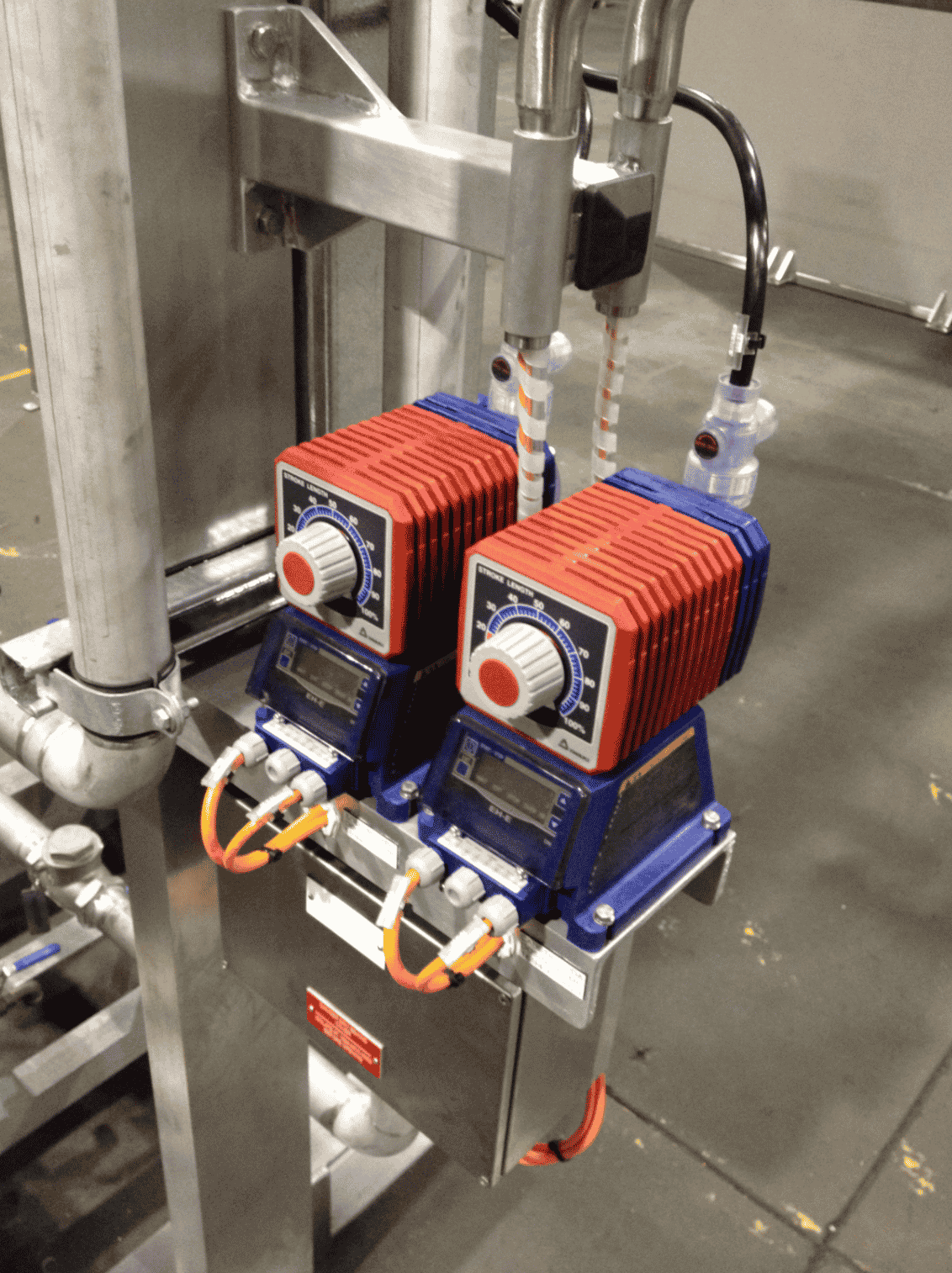
With coagulant and flocculant dosing, a well-tuned DAF removes 90 to 99% of FOG, 90 to 97% of TSS and produces 3 to 6% dry solids float for thickening. Without chemicals, removal drops to 50 to 70%. Coagulant doses of 100 to 500 mg/L polyaluminium chloride or ferric chloride plus 0.5 to 5 mg/L polyacrylamide are typical. Soluble BOD and dissolved metals require additional polishing downstream.
Sydney Water requires pH 7.0 to 10.0 under SW79. Greater Western Water requires 6 to 9. Queensland Urban Utilities allows 6.0 to 10.5. Water Corporation and SA Water both require 6 to 10. Discharge outside the permitted window must be neutralised by sulphuric acid (acid side) or sodium hydroxide or hydrated lime (alkaline side) with pH probe control installed before the sample point.
Maintenance and operations
Service every 3 months as a minimum and pump out every 3 to 6 months as the Australian baseline. Depending on the application, service frequency may need to be higher than the minimum to ensure consistent achievement of water authority guidelines.
Coalescing plate packs are cleaned and reused rather than routinely replaced. Polypropylene packs have a 20 to 30 year design life when protected from UV, solvents and harsh degreasers. Replacement is triggered by warping, brittleness, chemical attack or persistent fouling that survives pressure washing. Standard Australian practice is to hold a spare set of packs on site to allow swap-out during major services without extended downtime.
Polyethylene and fibreglass tanks have a 15 to 20 year design life. Coated mild steel tanks last 15 to 25 years, depending on internal coating maintenance. Stainless steel exceeds 25 years. Polypropylene plate packs last 20 to 30 years when cleaned regularly and protected from UV and solvent exposure. Lifespan is governed by tank substrate, coating integrity and chemical exposure rather than the separation technology itself.
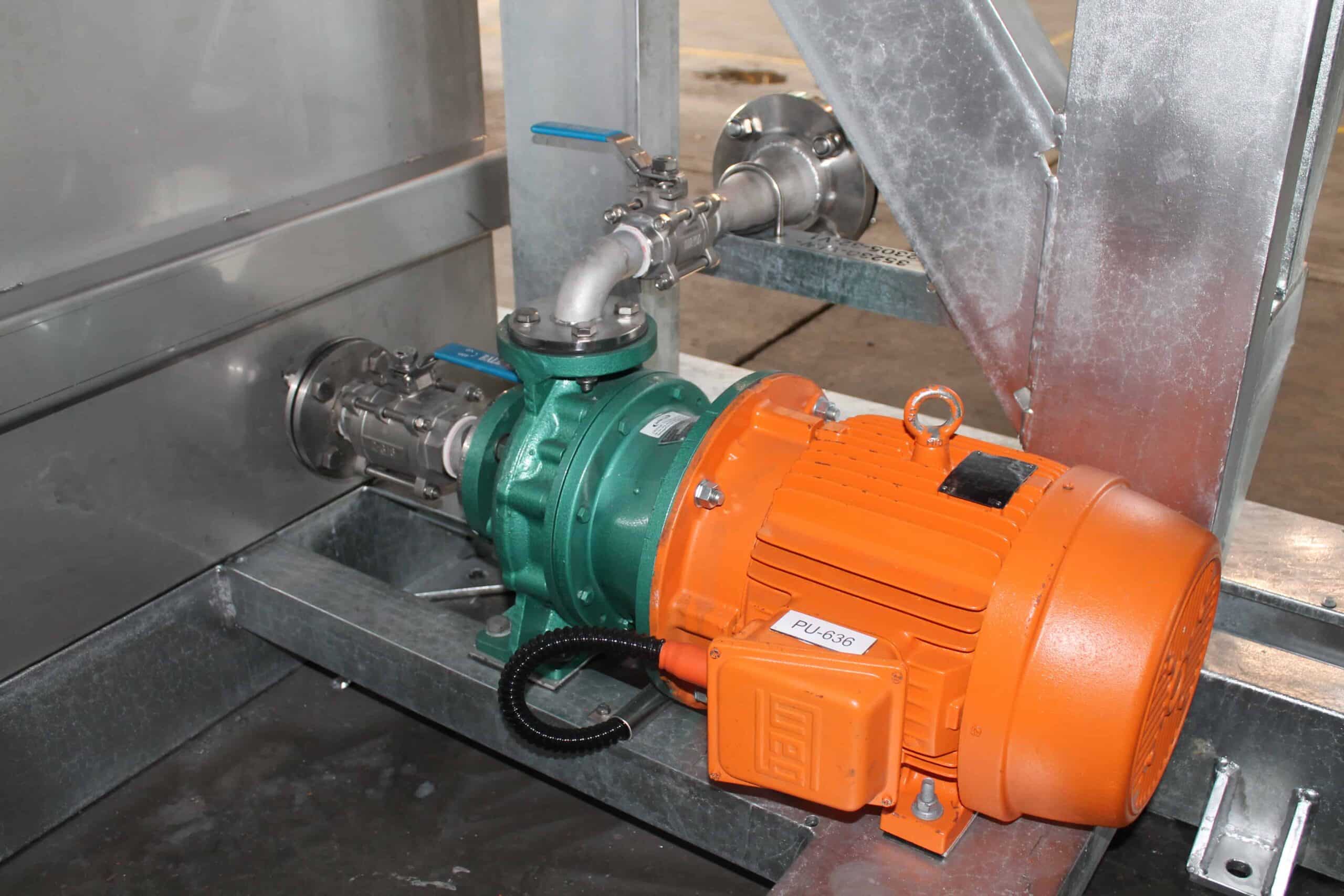
Emulsification from caustic detergents or hot pressure washing, plate fouling with grease and biofilm, hydraulic overload above design flow, incorrect chemical use, incorrect pump type transferring water to the separator, waste oil weir set incorrectly, and tank corrosion. Cold weather increases oil viscosity and reduces Stokes’ Law rise velocity. Most failures trace back to upstream chemistry or conditions, not equipment.
Trigger points are: visible oil sheen at the sample point, effluent oil and grease above the trade waste limit (typically 50 to 200 mg/L depending on utility), surging or slow drainage, odour from the tank, full waste oil decant chamber, high-level alarm activation, abnormal pump cycling and visibly fouled or blocked plate packs at inspection.
Daily: check saturator pressure (4 to 6 bar), scraper operation, white water formation and chemical dosing rates. Weekly: clean air release valve and pH probe. Monthly: 2-point pH calibration, saturator inspection, jar testing to verify coagulant dose. Quarterly: tank base cleaning, compressor service, dosing pump service. Annually: scraper drive service, pressure vessel inspection, pH electrode replacement (12 to 24 month sensor life) and flow meter recalibration.
Cloudy effluent with TSS or oil and grease above the discharge limit, uneven or broken sludge blanket, increased coagulant consumption for the same removal, poor white water microbubble formation, frequent nozzle clogging, scraper grinding or pump cavitation, saturator pressure below 4 bar, sludge solids below 3% dry solids, settled grit at the tank base and pH drift outside the coagulation window.
Calibrate monthly for typical industrial wastewater service using 2-point buffers spanning the working range (4.0 and 7.0 or 7.0 and 10.0). Heavy wastewater with oil, grease, sulphides or proteins requires weekly cleaning and calibration. Verify electrode slope at 59 mV per pH unit and offset at 0 mV at pH 7. pH electrode service life is 12 to 24 months in industrial wastewater.
Use quick-break biodegradable detergents only. Caustic, alkaline, solvent and stable surfactant cleaners create emulsions below 10 microns that pass through gravity and coalescing plate separators, breaching the 10 to 50 mg/L TPH and 50 to 200 mg/L oil and grease limits set by Sydney Water, QUU, Water Corporation and SA Water. Sydney Water trade waste consent conditions specifically require quick-break products on wash bay sites.
Use an EPA-licensed liquid waste transporter to a licensed treatment or disposal facility. Sludge is classified as priority waste in Victoria (Schedule 5 codes via Waste Tracker), regulated waste in Queensland, controlled waste in WA, hazardous waste in NSW (EPA tracking) and reportable waste in SA (WasteTracker). Penalties for illegal disposal reach $2,000,000 corporate in SA and $250,000 corporate in NSW. Retain consignment notes for a minimum of 5 years.
Use an EPA-licensed used oil collector. Used oil is a Product Stewardship Oil scheme item under the Commonwealth Product Stewardship (Oil) Act 2000, attracting a benefit payment to licensed recyclers. Never dispose to general waste, stormwater, soil or sewer. Retain pickup dockets and EPA waste consignment notes for the trade waste agreement audit trail.
Industrial wastewater treatment resources
- Wastewater Treatment Products: treatment systems and components by application.
- Wastewater Treatment Technologies: the treatment technologies Baldwin applies by process and application.
- Case Studies: examples of Baldwin systems across industrial sites.
Contact Baldwin Industrial Systems
For help choosing the right wastewater treatment solution, contact our team for an obligation-free consultation or quote. For technical specifications, installation guides and product brochures, see our resources library.